Potassium Carbonate → 5-(4-Bromophenyl)-1,3-oxazole
HRID 1063892
反応式

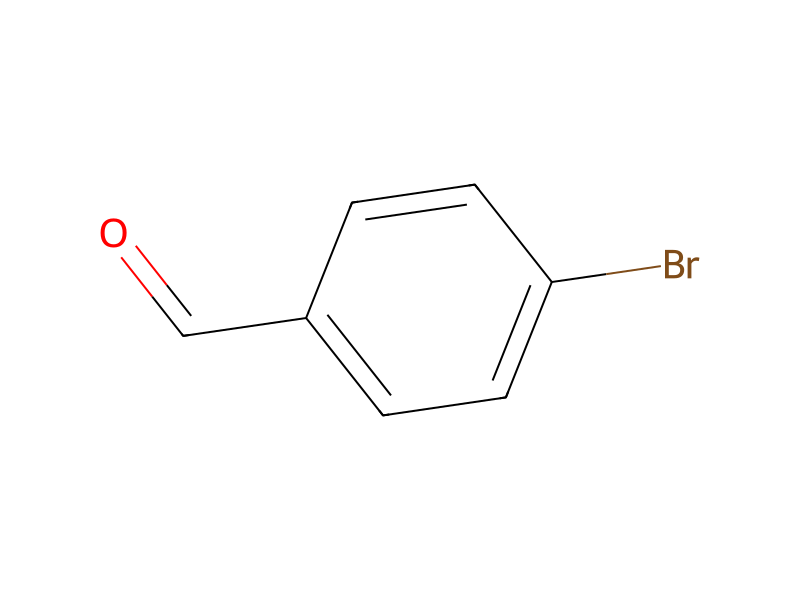
[Br:1][C:2]1[CH:9]=[CH:8][C:5]([CH:6]=[O:7])=[CH:4][CH:3]=1.C1(C)C=CC(S([CH2:19][N+:20]#[C-:21])(=O)=O)=CC=1.C(=O)([O-])[O-].[K+].[K+]>CO>[Br:1][C:2]1[CH:9]=[CH:8][C:5]([C:6]2[O:7][CH:21]=[N:20][CH:19]=2)=[CH:4][CH:3]=1参加物
5




実験手順
A mixture of 4-bromobenzaldehyde (5.00 g), p-toluenesulfonylmethyl isocyanide (5.43 g) and potassium carbonate (5.60 g) in methanol (50 ml) was heated under reflux for 2 hours. After evaporation of solvent, ethyl acetate and saturated ammonium chloride solution were added. The organic layer was separated, washed with water and brine, dried over magnesium sulfate, and evaporated in vacuo. The residue was purified by silica gel column chromatography eluting with a mixture of hexane and ethyl acetate (2:1) to give 5-(4-bromophenyl)oxazole as a pale yellow powder (5.77 g).