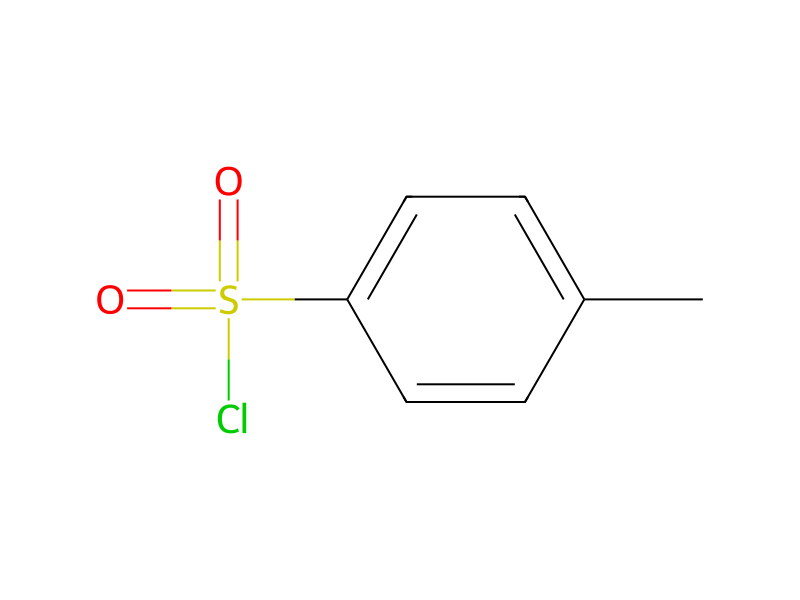
26 g of powdered potassium hydroxide (0.45 mol) and 14.3 g (75 mmol) of p-toluenesulfonyl chloride were added in succession at −10° C. to a stirred solution of (2R,3R)-2,3-epoxy-1-hexanol (8 g, 69 mmol) in diethyl ether. After 5 hours at 0° C., the reaction mixture was poured into 200 ml of water. The organic layer was separated off and the aqueous phase was extracted twice with 100 ml of diethyl ether in each case. The combined organic phases were washed with concentrated sodium chloride solution and dried over anhydrous sodium sulfate. After removing the solvent, (2-R,3R)-2,3-epoxyhexyl p-toluenesulfonate remained in the form of light yellow crystals which crystallized from diethyl ether/n-hexane as colorless needles (yield: 71%; [α]D20=+36.3°(c=2.0 in trichloromethane)).