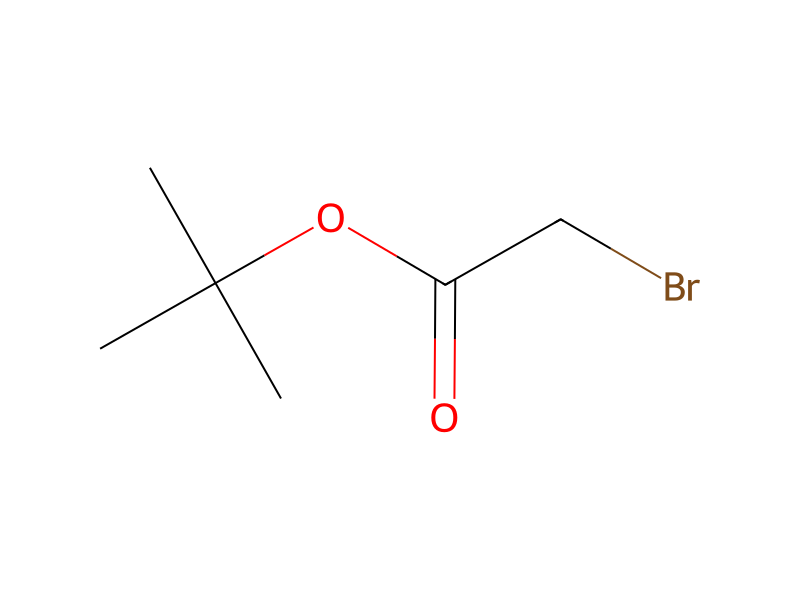
Water → tert-butyl 2-[3-{[(4-chlorobenzyl)amino]carbonyl}-6-iodo-4-oxo-1(4H)-quinolinyl]acetate
反応式

[Cl:1][C:2]1[CH:23]=[CH:22][C:5]([CH2:6][NH:7][C:8]([C:10]2[CH:11]=[N:12][C:13]3[C:18]([C:19]=2[OH:20])=[CH:17][C:16]([I:21])=[CH:15][CH:14]=3)=[O:9])=[CH:4][CH:3]=1.C(=O)([O-])[O-].[K+].[K+].[C:30]([O:34][C:35](=[O:38])[CH2:36]Br)([CH3:33])([CH3:32])[CH3:31].O>CN(C=O)C.ClCCl>[Cl:1][C:2]1[CH:3]=[CH:4][C:5]([CH2:6][NH:7][C:8]([C:10]2[C:19](=[O:20])[C:18]3[C:13](=[CH:14][CH:15]=[C:16]([I:21])[CH:17]=3)[N:12]([CH2:36][C:35]([O:34][C:30]([CH3:33])([CH3:32])[CH3:31])=[O:38])[CH:11]=2)=[O:9])=[CH:22][CH:23]=1