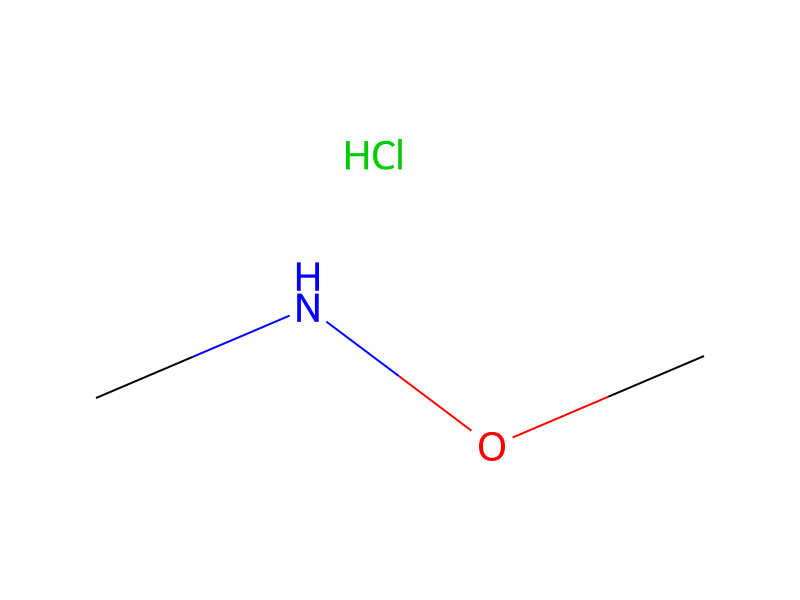
[CH:1]1([C:4]2[C:13](/[CH:14]=[CH:15]/[C:16](O)=[O:17])=[C:12]([C:19]3[CH:24]=[CH:23][C:22]([F:25])=[CH:21][CH:20]=3)[C:11]3[C:6](=[CH:7][CH:8]=[CH:9][CH:10]=3)[N:5]=2)[CH2:3][CH2:2]1.C(N(CC)CC)C.C(Cl)(=O)C(C)(C)C.Cl.[CH3:41][NH:42][O:43][CH3:44]>ClCCl>[CH:1]1([C:4]2[C:13](/[CH:14]=[CH:15]/[C:16]([N:42]([O:43][CH3:44])[CH3:41])=[O:17])=[C:12]([C:19]3[CH:20]=[CH:21][C:22]([F:25])=[CH:23][CH:24]=3)[C:11]3[C:6](=[CH:7][CH:8]=[CH:9][CH:10]=3)[N:5]=2)[CH2:2][CH2:3]1To a solution of (E)-3-[2-Cyclopropyl-4-(4-fluoro-phenyl)-quinolin-3-yl]-acrylic acid (2.0 g, 6.0 mmol) in dichloromethane (25 ml) at −5° C. is added triethylamine (0.668 g, 6.6 mmol).and pivaloyl chloride (0.725 g, 6.0 mmol). After stirring at 0° C. for 170 min, N,O-dimethyl-hydroxylamine hydrochloride (0.59 g, 6.0 mmol) and triethylamine (1.22 g, 12.0 mmol) are added. After stirring in an ice bath for 90 min, and at room temperature for 30 min, more N,O-dimethylhydroxylamine hydrochloride (0.177 g, 1.8 mmol) is added and the reaction is stirred at room temperature for 17 h. After quenching with 0.2M citrate buffer pH5 (25 ml), the organic phase is separated and washed with 0.2M citrate buffer pH5 (25 ml), 0.2M phosphate buffer pH7 (25 ml) and water (25 ml). The water phases are extracted with dichloromethane (2×20 ml). Combined organic phases are dried over magnesium sulphate, evaporated, and the crude product chromatographed on silica gel (hexane/ethyl acetate 2:1) to afford (E)-3-[2-cyclopropyl-4-(4-fluoro-phenyl)-quinolin-3-yl]-N-methoxy-N-methyl-acrylamide (7). MS (ES): [M+H]+ 377, Mp. 155-156° C.