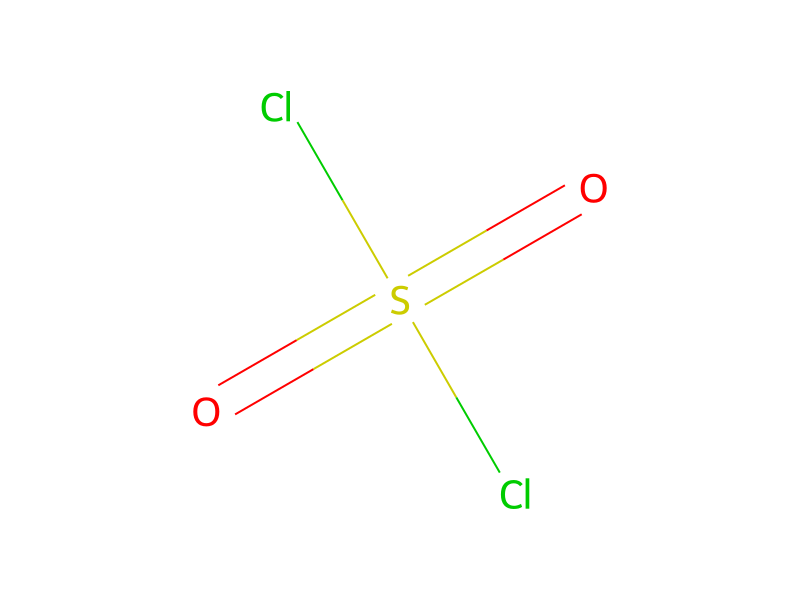
S(Cl)([Cl:4])(=O)=O.[CH3:6][C:7]1[N:8]([CH3:24])[CH:9]=[C:10]2[C:16]=1[C:15]([C:17]1[CH:22]=[CH:21][CH:20]=[CH:19][CH:18]=1)=[N:14][CH2:13][C:12](=[O:23])[NH:11]2.C([O-])(O)=O.[Na+]>C(Cl)Cl>[Cl:4][C:9]1[N:8]([CH3:24])[C:7]([CH3:6])=[C:16]2[C:15]([C:17]3[CH:22]=[CH:21][CH:20]=[CH:19][CH:18]=3)=[N:14][CH2:13][C:12](=[O:23])[NH:11][C:10]=12A solution of freshly distilled sulphuryl chloride (4.0 ml) in methylene chloride (40 ml) is added dropwise over a period of 20 minutes to a solution of 3,7-dihydro-6,7-dimethyl-5-phenylpyrrolo[3,4-e][1,4]diazepin-2(1H)-one (5.0 g) in methylene chloride (80 ml) cooled to -60° C. and maintained under inert atmosphere. The reaction is allowed to proceed at -55° C.±5° C. for one hour, then the reaction mixture is poured into a 5% aqueous solution of NaHCO3 (210 ml) and vigorously stirred for 20 minutes. The organic phase is separated, washed with water, dried and evaporated to dryness under vacuum. The obtained residue is crystallized from ethanol yielding 3.7 g of the compound of the title. M.p. 195° C. with decomposition.