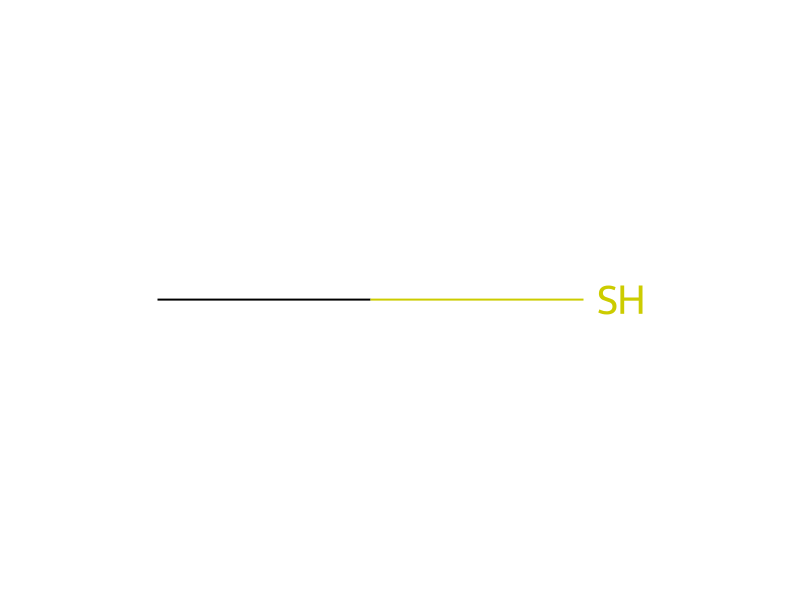
Methanethiol → HCID 20041818、化合物
反応式

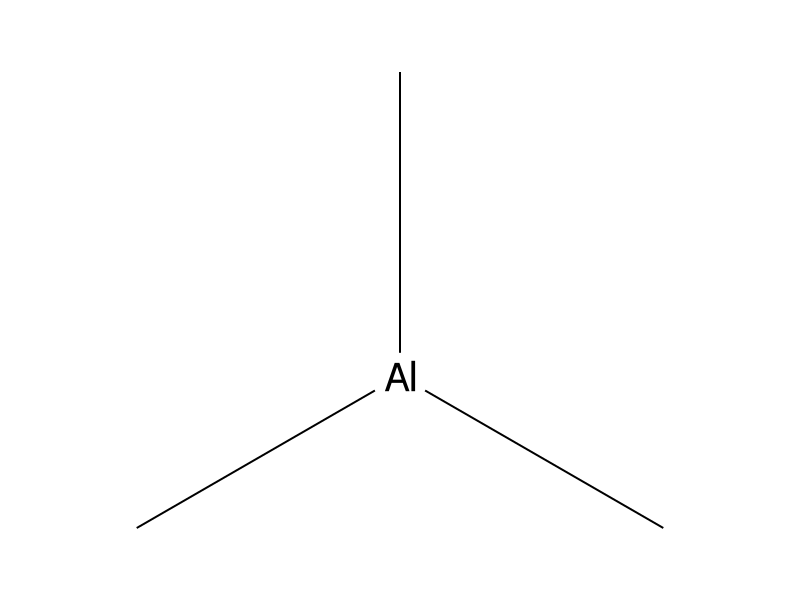
C[Al](C)C.[CH3:5][O:6][C:7]1[CH:12]=[C:11]([CH3:13])[NH:10][N:9]([NH:14][C:15]([NH:17][S:18]([C:21]2[CH:26]=[CH:25][CH:24]=[CH:23][C:22]=2[C:27]([O:29]C)=O)(=[O:20])=[O:19])=[O:16])[N:8]=1.[CH3:31][SH:32]>C1(C)C=CC=CC=1>[CH3:5][O:6][C:7]1[CH:12]=[C:11]([CH3:13])[NH:10][N:9]([NH:14][C:15]([NH:17][S:18]([C:21]2[CH:26]=[CH:25][CH:24]=[CH:23][C:22]=2[C:27]([S:32][CH3:31])=[O:29])(=[O:20])=[O:19])=[O:16])[N:8]=1参加物
5



実験手順
Trimethylaluminum (6.0 ml, 2 M) was charged via syringe to 15 ml dry toluene under nitrogen atmosphere and 3.8 g N-[(4-methoxy-6-methyltriazin-2-yl)aminocarbonyl]-2-methoxycarbonylbenzenesulfonamide was added portionwise. After stirring at room temperature for one hour, methyl mercaptan (gas) was passed through the reaction mixture until the initial temperature rise subsided, whereupon the addition was discontinued. The reaction mixture was allowed to stir at room temperature for 1 hour, and quenched with 25 ml of 10% HCl. The resultant white suspension was filtered to give 2.9 g white solid which showed infrared absorption peaks at 1740, 1690 cm-1, consistent for N-[(4-methoxy-6-methyltriazin-2-yl)aminocarbonyl]-2-(methylthio)carbonylbenzenesulfonamide.