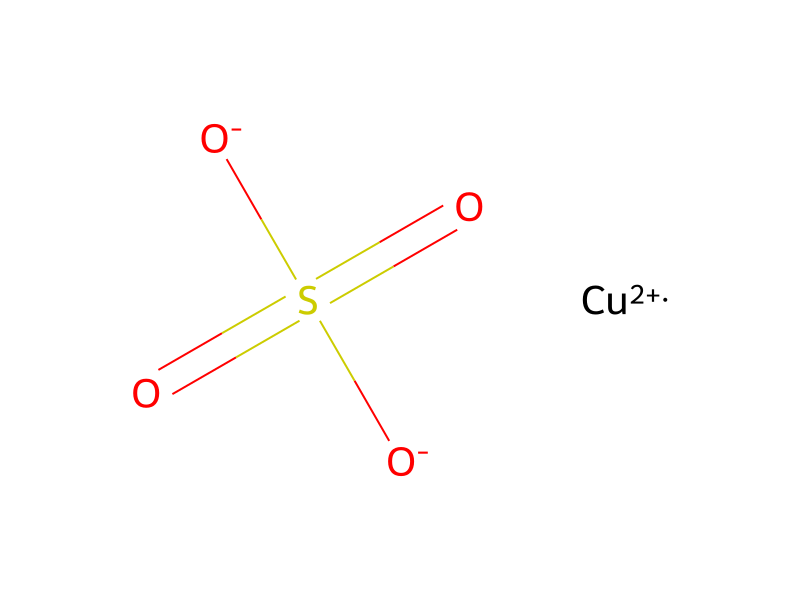
A mixture of 9.08 g, of 2-(3-chlorophenyl)-2-hydroxy-1-[4-(dimethylamino)phenyl]ethanone, 3 equivalents of mossy tin, a spatula tip of copper (II) sulfate, 20 ml of concentrated HCl, and 60 ml of 95% ethanol was stirred at reflux 3 hours. The mixture was basified with potassium carbonate solution and filtered. The cake was washed with ethyl acetate and the filtrate separated. The aqueous phase was extracted with ethyl acetate and the combined organic layers were dried (Na2SO4), filtered, and evaporated. The residue was purified by flash chromatography (10:1 hexane-ethyl acetate) and then recrystallized from ethyl acetate-hexane to give 3.8 g of 2-(3-chlorophenyl)-1-[4-(dimethylamino)phenyl]ethanone, m.p. 126°-128° C.