反応式

[CH2:1]([OH:10])[C@@H:2]([C@H:4]([C@@H:6]([CH2:8][OH:9])[OH:7])[OH:5])[OH:3].[OH:11][CH2:12][C:13]([C@H:15]([C@@H:17]([CH2:19][OH:20])[OH:18])[OH:16])=[O:14]>>[CH2:1]([OH:10])[C@@H:2]([C@H:4]([C@@H:6]([CH2:8][OH:9])[OH:7])[OH:5])[OH:3].[O:11]=[CH:12][C@@H:13]([C@H:15]([C@@H:17]([CH2:19][OH:20])[OH:18])[OH:16])[OH:14]参加物
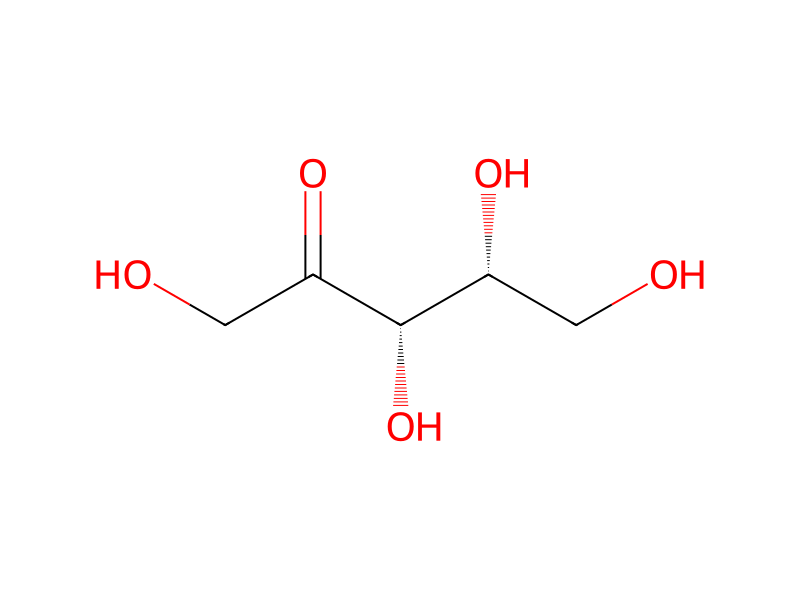
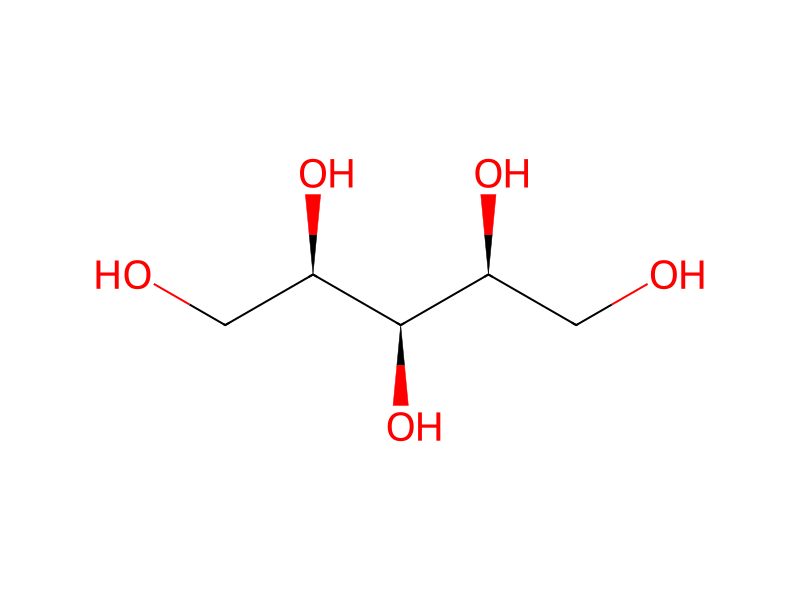
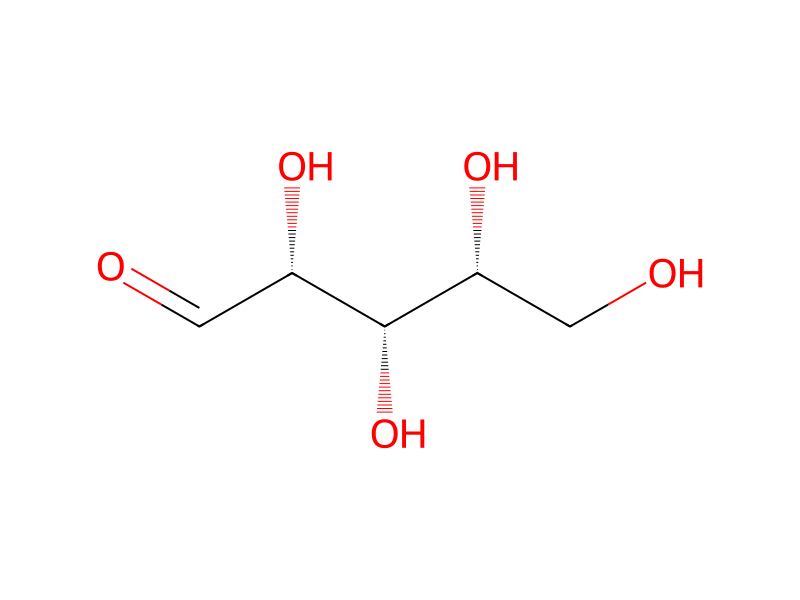
実験手順
Paying attention to the fact that xylitol produced in Candida sp strains is reduced by its conversion to xylulose by xylitol dehydrogenase, the present inventors have developed xylitol dehydrogenase-inactivated Candida tropicalis mutant, in which xylitol produced from xylose can no longer be used for cell growth, and thus xylose can be bioconverted to xylitol with a theoretical yield of 100% (Ko, B. S. et. al., Appl. Environ. Microbiol. 72:4207-4213, 2006). Thus, the present inventors filed an application for the protection of an invention relating to a method of producing xylitol in high yield using a xylitol-producing strain, in which the expression of xylitol dehydrogenase is inhibited (Korean Patent Application No. 10-2005-0079751, filed on Aug. 30, 2005).
後処理
- customproduced in Candida sp strains
出典と根拠
- ORDレコード
- ord-7efaf3d8aede43c6ad7f9fb6317b3920
- 出典データセット
- uspto-grants-2010_10
- 特許番号
- US07820414B2
関連ノート
読み込み中…