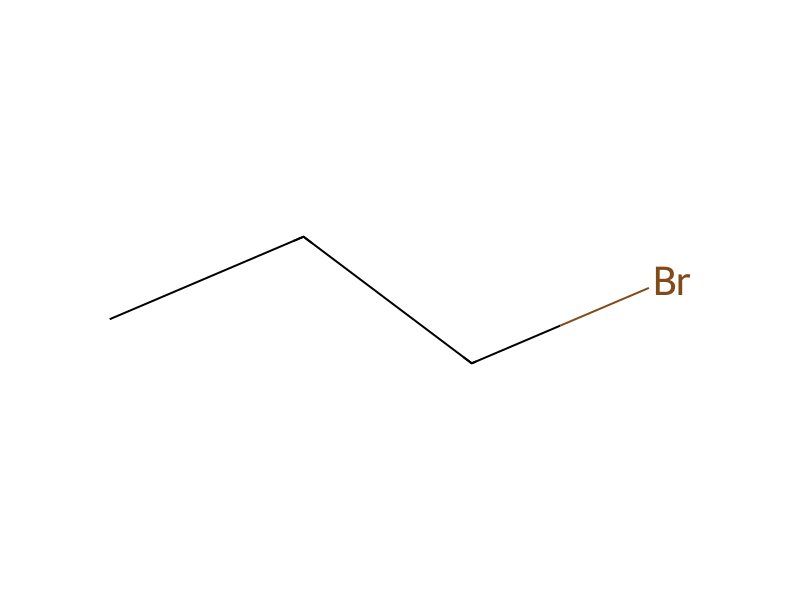
1-Bromopropane → 3-(4-Propoxyphenyl)propan-1-ol
HRID 1169498
反応式

[OH:1][C:2]1[CH:7]=[CH:6][C:5]([CH2:8][CH2:9][CH2:10][OH:11])=[CH:4][CH:3]=1.Br[CH2:13][CH2:14][CH3:15].C(=O)([O-])[O-].[K+].[K+]>CC(C)=O>[CH2:13]([O:1][C:2]1[CH:3]=[CH:4][C:5]([CH2:8][CH2:9][CH2:10][OH:11])=[CH:6][CH:7]=1)[CH2:14][CH3:15]参加物
5




実験手順
A mixture of 3-(4-hydroxyphenyl)-1-propanol (1.33 g), 1-bromopropane (1.2 ml) and potassium carbonate (2.25 g) and acetone (100 ml) was heated at reflux for 2 days. After concentration under reduced pressure, the residue was mixed with water and was extracted with ethyl acetate. The organic layer was washed with a 1 N aqueous solution of sodium hydroxide and an aqueous saturated solution of sodium chloride, and was dried with magnesium sulfate. The resulting organic layer was evaporated under reduced pressure to remove the solvent to obtain 3-(4-propoxyphenyl)-1-propanol (1.61 g) as a colorless oily substance.