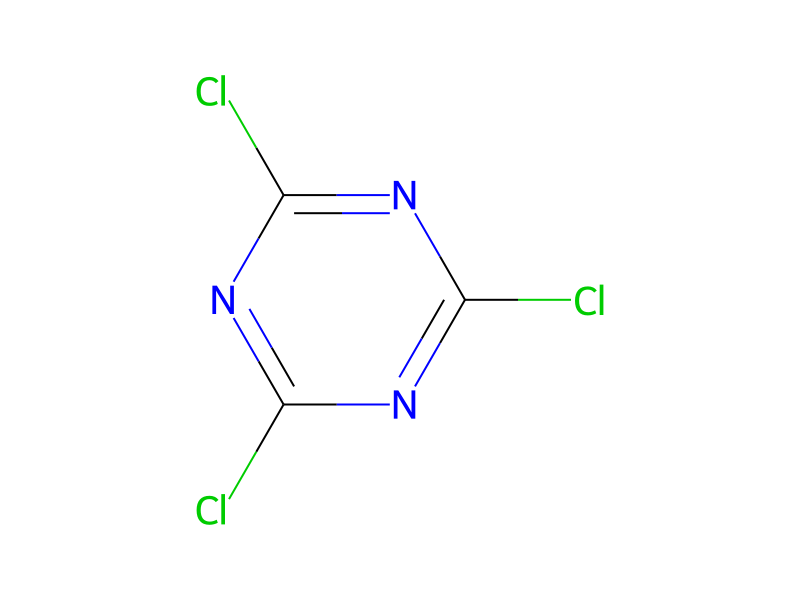
2,4,6-trichloro-[1,3,5]-triazine (1.32 g, 7.16 mmol) was added to DMF (9.6 mL) maintained at 25° C. The reaction was monitored by TLC until TCT was consumed. Then benzyl 3-(hydroxyimino)-2,3-dihydrospiro[indene-1,4′-piperidine]-1′-carboxylate (1.6 g, 4.77 mmol) in DMF (17 mL) was added. After the addition, the mixture was stirred at room temperature overnight. Water was added. The mixture was extracted with EtOAc. The combined organic layers were washed with sat. Na2CO3, followed by 1N HCl and brine, dried over Na2SO4 and concentrated. The residue was purified by prep HPLC to obtain benzyl 2′-oxo-2′,3′-dihydro-1′H-spiro[piperidine-4,4′-quinoline]-1-carboxylate (260 mg, yield 16%).