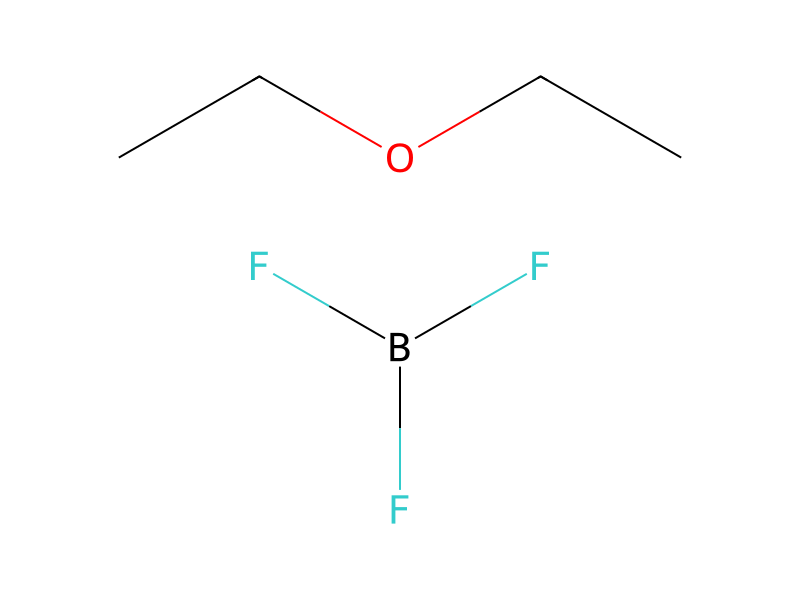
[CH3:1][Si:2]([CH3:11])([CH3:10])[C:3]1[O:7][CH:6]=[C:5]([CH:8]=[O:9])[CH:4]=1.B(F)(F)F.CCOCC.[CH3:21][C:22]([CH3:35])=[CH:23][CH2:24][CH2:25][C:26]([CH:33]=[CH2:34])=[CH:27][O:28][Si](C)(C)C>C(Cl)Cl>[OH:9][CH:8]([C:5]1[CH:4]=[C:3]([Si:2]([CH3:11])([CH3:10])[CH3:1])[O:7][CH:6]=1)[CH2:34][CH:33]=[C:26]([CH2:25][CH2:24][CH:23]=[C:22]([CH3:21])[CH3:35])[CH:27]=[O:28]To a stirred solution of 5-trimethylsilyl-3-furanaldehyde (0.444 g, 2.6 mmol) in 5 ml methylene chloride at -60° under argon was added dropwise boron trifluoride etherate (0.33 ml, 2.7 mmol). After one to two minutes a solution of 2-(4-methyl-3-pentenyl)-1-trimethylsilyloxy-1,3-butadiene (0.604 g, 2.7 mmol) in 3 ml methylene chloride was added dropwise. The solution was stirred for 20 hours at -60°, quenched with saturated sodium bicarbonate solution, warmed to room temperature, and taken up in ethyl ether. The organic portion was washed twice with saturated sodium chloride solution, dried over magnesium sulfate, filtered and concentrated to give an orange oil which was complex by TLC. The mixture was purified by flash chromatography (silica, 30% ethyl acetate/hexane). Eluted last was the desired hydroxyaldehyde as an orange oil.