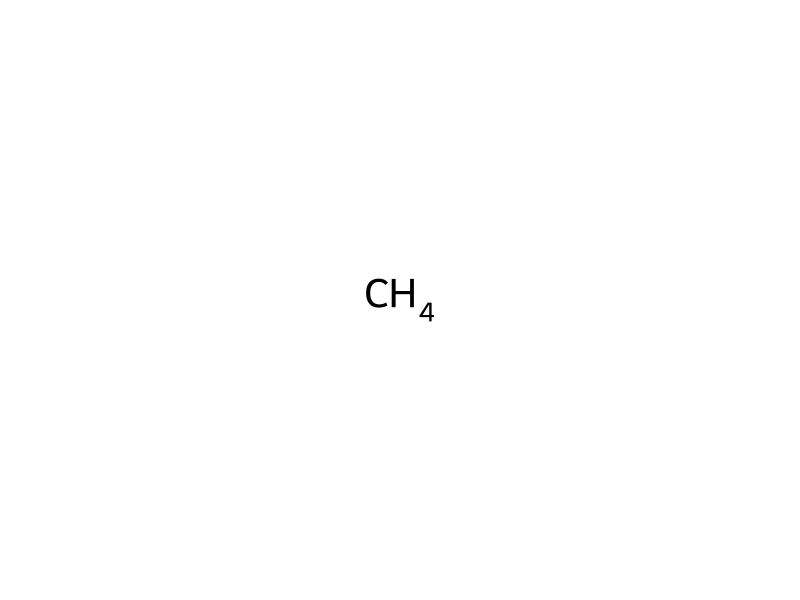
Methane → 7,7-Diphenylhexahydro-1H-isoindol-4(2H)-one hydrochloride
HRID 1196231
反応式

C([N:8]1[CH2:16][CH:15]2[CH:10]([C:11]([C:24]3[CH:29]=[CH:28][CH:27]=[CH:26][CH:25]=3)([C:18]3[CH:23]=[CH:22][CH:21]=[CH:20][CH:19]=3)[CH2:12][CH2:13][C:14]2=[O:17])[CH2:9]1)C1C=CC=CC=1.[ClH:30].C>CO>[ClH:30].[C:24]1([C:11]2([C:18]3[CH:23]=[CH:22][CH:21]=[CH:20][CH:19]=3)[CH:10]3[CH:15]([CH2:16][NH:8][CH2:9]3)[C:14](=[O:17])[CH2:13][CH2:12]2)[CH:25]=[CH:26][CH:27]=[CH:28][CH:29]=1参加物
5




実験手順
(3aRS,7aRS)-2-Benzyl-7,7-diphenylperhydro-4-isoindolone (150 g), methanol (1500 cc) and 1N hydrochloric acid (450 cc) are added to palladinized charcoal (10% palladium) (15 g); the reaction mixture is hydrogenated with stirring at room temperature and at atmospheric pressure. After 5 hours' reaction, the theoretical volume of hydrogen has been absorbed; the reaction mixture is filtered, then concentrated to dryness under reduced pressure (2.7 kPa); the residue is crystallized in ethanol (200 cc). The crystals obtained are drained, washed with ethanol (50 cc) and dried. (3aRS,7aRS)-7,7-Diphenylperhydro-4-isoindolone hydrochloride (110 g), m.p. 270° C. with decomposition, is obtained.