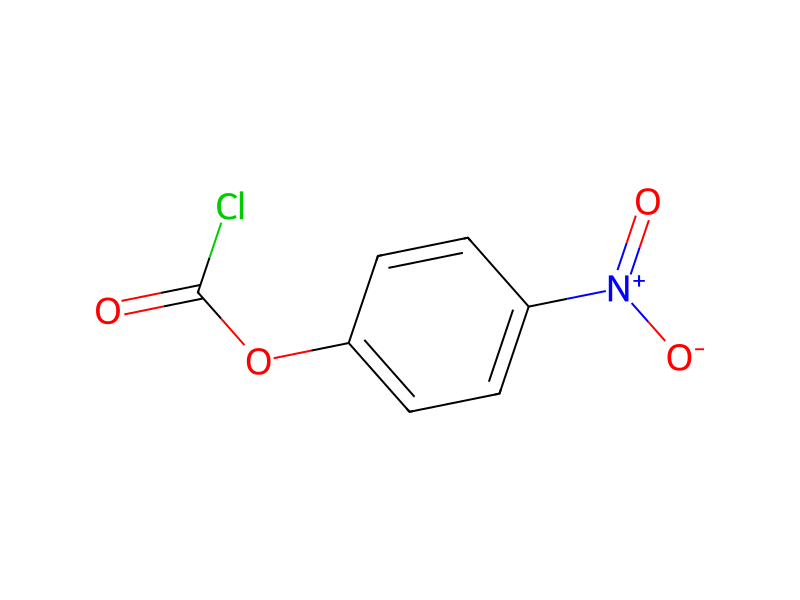
[C:1]([Si:5]([CH3:12])([CH3:11])[O:6][CH2:7][C@H:8]([NH2:10])[CH3:9])([CH3:4])([CH3:3])[CH3:2].C(N(CC)CC)C.Cl[C:21]([O:23][C:24]1[CH:29]=[CH:28][C:27]([N+:30]([O-:32])=[O:31])=[CH:26][CH:25]=1)=[O:22]>ClCCl>[N+:30]([C:27]1[CH:26]=[CH:25][C:24]([O:23][C:21](=[O:22])[NH:10][C@H:8]([CH3:9])[CH2:7][O:6][Si:5]([C:1]([CH3:3])([CH3:2])[CH3:4])([CH3:12])[CH3:11])=[CH:29][CH:28]=1)([O-:32])=[O:31]A mixture of (R)-2-(tert-butyl-dimethyl-silanyloxy)-1-methyl-ethylamine (693 mg, 3,66 mmol) (from Example 38a supra) and triethylamine (0.77 mL, 5.5 mmol) (Allied Signal) in dichloromethane was treated with 4-nitrophenyl chloroformate (885 mg, 4.39 mmol) (Aldrich) at room temperature for 30 minutes. The reaction was quenched with 1 N aqueous hydrochloric acid and then extracted with ethyl acetate. The combined organic layers were washed with saturated aqueous sodium bicarbonate solution followed with brine, dried over anhydrous sodium sulfate, filtered and concentrated under reduced pressure. The crude product was purified by flash chromatography (15% ethyl acetate in hexanes) to give (R)-[2-(tert-butyl-dimethyl-silanyloxy)-1-methyl-ethyl]-carbamic acid 4-nitro-phenyl ester as a colorless oil that solidified upon standing. (Yield 0.49 g, 38%).