Cyanamide → HCID 178474458、化合物
反応式

Cl.[C:2]([NH:5][C:6]1[S:7][CH:8]=[C:9]([C:11]([NH:13][C:14]2[CH:19]=[CH:18][C:17]([NH2:20])=[CH:16][CH:15]=2)=[O:12])[N:10]=1)(=[O:4])[CH3:3].[N:21]#[C:22][NH2:23]>COCCO>[C:2]([NH:5][C:6]1[S:7][CH:8]=[C:9]([C:11]([NH:13][C:14]2[CH:19]=[CH:18][C:17]([NH:20][C:22]([NH2:23])=[NH:21])=[CH:16][CH:15]=2)=[O:12])[N:10]=1)(=[O:4])[CH3:3]参加物
4
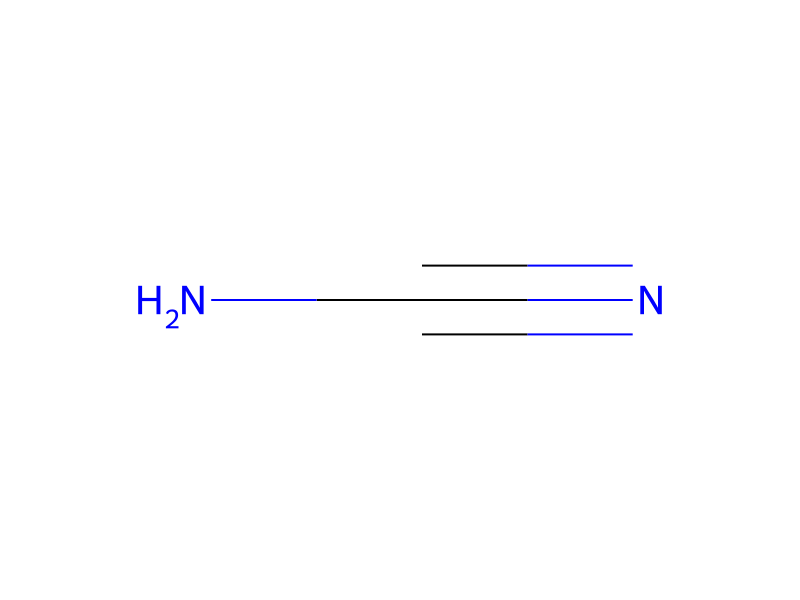


反応条件
- 温度
- 100 °C
実験手順
A mixture of 2-(acetylamino)-N-(4-aminophenyl)-1,3-thiazole-4-carboxamide hydrochloride (70 mg), cyanamide (11 mg) and 2-methoxyethanol (2 ml) was stirred at 100° C. for 72 hours. The reaction mixture was concentrated in vacuo. To the residue was added ethyl acetate (5 ml) and saturated aqueous sodium hydrogen bicarbonate (5 ml). The precipitated solid was filtered and washed with ethyl acetate and water to give 2-(acetylamino)-N-(4-{[amino(imino)methyl]amino}phenyl)-1,3-thiazole-4-carboxamide (45 mg).