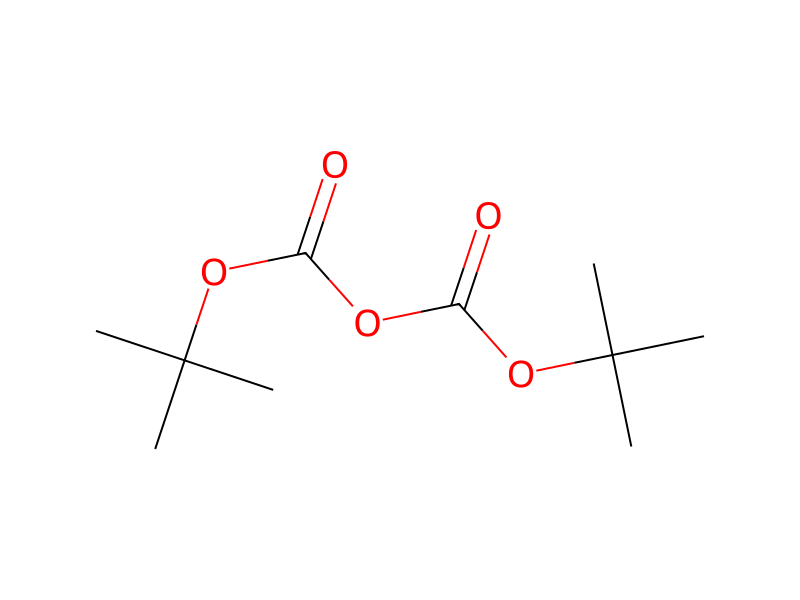
A solution of compound 143 (13.67 g, 57.7 mmol) in 1,4-dioxane (100 mL) was treated with BOC2O (13.83 g, 63.4 mmol, 1.1 equiv) and DMAP (700.0 mg, 5.8 mmol, 0.1 equiv) at room temperature. The resulting reaction mixture was then warmed up to refluxing for 4 h. When TLC and HPLC/MS showed that the reaction was complete, the reaction mixture was treated with H2O (100 mL) and EtOAc (100 mL). The two layers were separated, and the aqueous layer was extracted with EtOAc (2×100 mL). The combined organic extracts were washed with H2O (2×100 mL) and saturated NaCl aqueous solution (100 mL), dried over MgSO4, and concentrated in vacuo. The residue was further dried in vacuo to afford the crude, desired (3-fluoro-4-iodo-phenyl)-carbamic acid tert-butyl ester (compound 144, 18.67 g, 19.44 g theoretical, 96%) as pale-yellow oil, which solidified upon standing in vacuo at room temperature and was found to be essentially pure and was directly used in the subsequent reactions without further purifications. For compound 144: C11H13FINO2, LCMS (EI) m/e 338 (M++H).