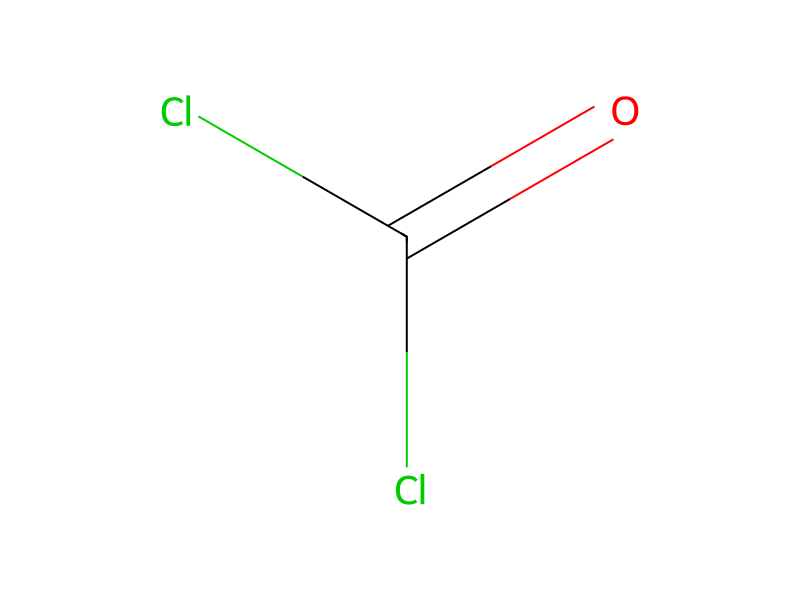
In 270 ml of CH2Cl2, 12.97 g of α-[(tert-butylamino)methyl]-p-nitrobenzyl alcohol is dissolved. The solution is cooled to -5° C. and 54 ml of 12.5% phosgene in benzene is added slowly. After the addition is completed, the mixture is stirred for 3.5 hours and poured on ice. The organic phase is separated, and the aqueous layer is extracted with CH2Cl2 (2×100 ml). The combined organic layers are washed with saturated NaHCO3 solution (2×250 ml), 100 ml of H2O and dried over MgSO4. The solution is evaporated to dryness to give 16.3 g, which is recrystallized from MeOH twice to afford 12.58 g of 3-tert-butyl-5-(p-nitrophenyl)-2-oxazolidinone, mp 123°-125° C. This product (10 g) is dissolved in 200 ml of MeOH and hydrogenated over 6 g of Raney nickel at 51 p.s.i.g at 40° C. to give, after filtration and evaporation, 8.21 g of 5-(p-aminophenyl)-3-tert-butyl-2-oxazolidinone, mp 125°-129° C.