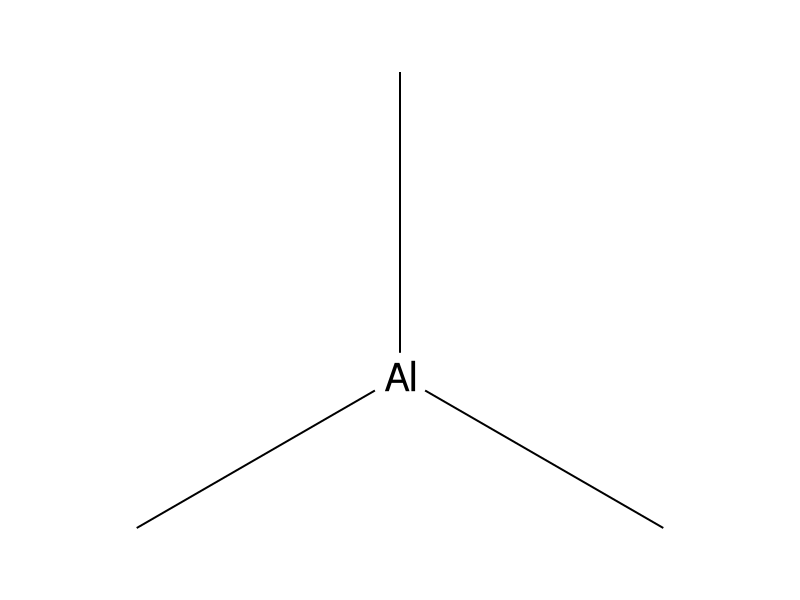
[O:1]1[C:6]2[CH:7]=[CH:8][CH:9]=[C:10]([S:11]([NH2:14])(=[O:13])=[O:12])[C:5]=2[O:4][CH2:3][CH2:2]1.C[Al](C)C.[CH3:19][O:20][C:21]1[CH:26]=[C:25]([CH3:27])[N:24]=[C:23]([NH:28][C:29](=O)[O:30]C)[N:22]=1.O>C(Cl)Cl.Cl.C(O)(=O)C>[CH3:19][O:20][C:21]1[CH:26]=[C:25]([CH3:27])[N:24]=[C:23]([NH:28][C:29]([NH:14][S:11]([C:10]2[C:5]3[O:4][CH2:3][CH2:2][O:1][C:6]=3[CH:7]=[CH:8][CH:9]=2)(=[O:12])=[O:13])=[O:30])[N:22]=1To a solution of 1.0 g 1,4-benzodioxan-5-sulfonamide, prepared in Example 15, in 50 ml methylene chloride at ambient temperature under nitrogen was added 2.5 ml trimethylaluminum (2M in toluene). After stirring 15 minutes at ambient temperature, 1.0 g of methyl [4-methoxy-6-methylpyrimidin-2-yl]carbamate, prepared according to the procedure of Example 3, was added and the reaction mixture was heated at reflux for 72 hours. The reaction mixture was cooled to ambient temperature and 75 ml water, 10 ml glacial acetic acid and 10 drops hydrochloric acid were sequentially added. The organic phase was separated, dried, and the solvent removed under reduced pressure to give an oil. Crystallization of the oil from n-butyl chloride/ether gave a solid, m.p. 203°-205° C.