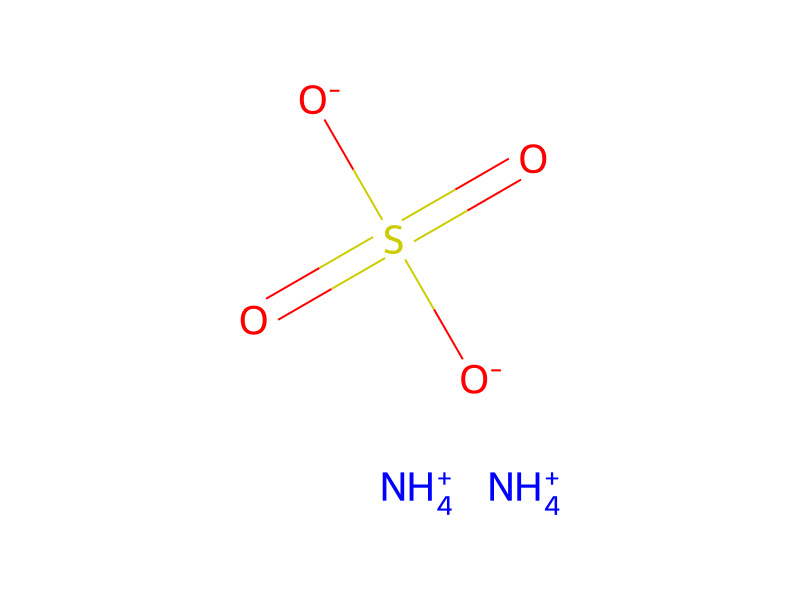
[CH3:1][C:2]1[NH:3][C:4]2[C:9]([C:10](=O)[N:11]=1)=[N:8][C:7]([CH3:13])=[C:6]([CH3:14])[N:5]=2.[CH3:15][O:16][C:17]1[CH:25]=[CH:24][C:20]([CH2:21][CH2:22][NH2:23])=[CH:19][CH:18]=1.S([O-])([O-])(=O)=O.[NH4+].[NH4+].C(Cl)Cl>C[Si](C)(C)N[Si](C)(C)C.O>[CH3:15][O:16][C:17]1[CH:25]=[CH:24][C:20]([CH2:21][CH2:22][NH:23][C:10]2[C:9]3[C:4](=[N:5][C:6]([CH3:14])=[C:7]([CH3:13])[N:8]=3)[N:3]=[C:2]([CH3:1])[N:11]=2)=[CH:19][CH:18]=1A mixture of 2,6,7-trimethylpteridin-4(1H)-one (1.1 g, 6.0 mmol), 4-methoxyphenethylamine (1.6 g, 11 mmol) and ammonium sulfate (0.56 g, 4.2 mmol) in hexamethyldisilazane (16 mL) was heated at 115° C. for 6 h. After cooling, the majority of solids were dissolved by addition of CH2Cl2 and H2O and the solvents removed in vacuo. The residue was slurried in a mixture of MeOH (5 mL) and H2O (50 mL) and stirred for 45 min. The bronze solid was collected by suction filtration and dried in vacuo at 50° C. The residue was dissolved in MeOH/CH2Cl2 and diluted with Et2O, causing crystallization. All solvent was allowed to evaporate, and the remaining solid dried in vacuo to afford [2-(4-methoxyphenyl)-ethyl]-(2,6,7-trimethylpteridin-4-yl)-amine as a brown powder (1.3 g; 67%): 1H NMR (300 MHz, CDCl3) δ 7.22-7.14 (m, 2H), 6.95 (t, J=6.3 Hz, 1H), 6.90-6.83 (m, 2H), 3.87 (dd, J=13.5, 6.8 Hz, 2H), 3.80 (s, 3H), 2.97 (t, J=7.2 Hz, 2H), 2.69 (s, 3H), 2.66 (s, 3H), 2.61 (s, 3H).