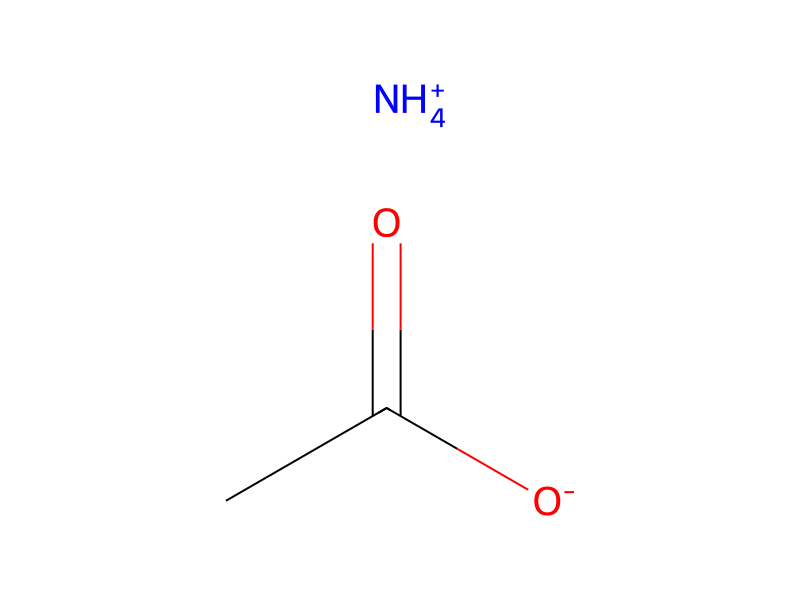
[CH2:1]([CH2:11][C:12](=O)[CH3:13])/[CH:2]=[C:3](/[CH2:5][CH2:6][CH:7]=[C:8]([CH3:10])[CH3:9])\[CH3:4].[C:15]([CH2:17][C:18]([O:20][CH2:21][CH3:22])=[O:19])#[N:16].C([O-])(=O)C.[NH4+].C(O)(=O)C>C1C=CC=CC=1>[C:15]([CH:17]([CH:12]([CH3:13])[CH2:11][CH2:1]/[CH:2]=[C:3](\[CH3:4])/[CH2:5][CH2:6][CH:7]=[C:8]([CH3:10])[CH3:9])[C:18]([O:20][CH2:21][CH3:22])=[O:19])#[N:16]In 200 ml of benzene was dissolved 50 g of geranylacetone, and 42 g of ethyl cyanoacetate, and then 6 g of ammonium acetate and 6 g of acetic acid were added to the solution. The mixture was refluxed for 8 hours while removing the water formed by the reaction. The liquid reaction mixture was washed with water and dried, and a solution of 5.7 g of sodium borohydride in 40 ml of ethanol was added dropwise to the liquid reaction mixture at 10° to 20° C. under agitation. The mixture was stirred for 1 hour and 60 ml of 10% acetic acid was added to the liquid reaction mixture. Then, the mixture was washed with water and dried, and the solvent was removed by distillation and the residue was purified by column chromatography using silica gel to obtain 59 g of the intended compound in the form of an oil.