Phosphoric Acid → Dodecanedioic acid, compd. with 1,6-hexanediamine (1:1)
HRID 1274371
反応式

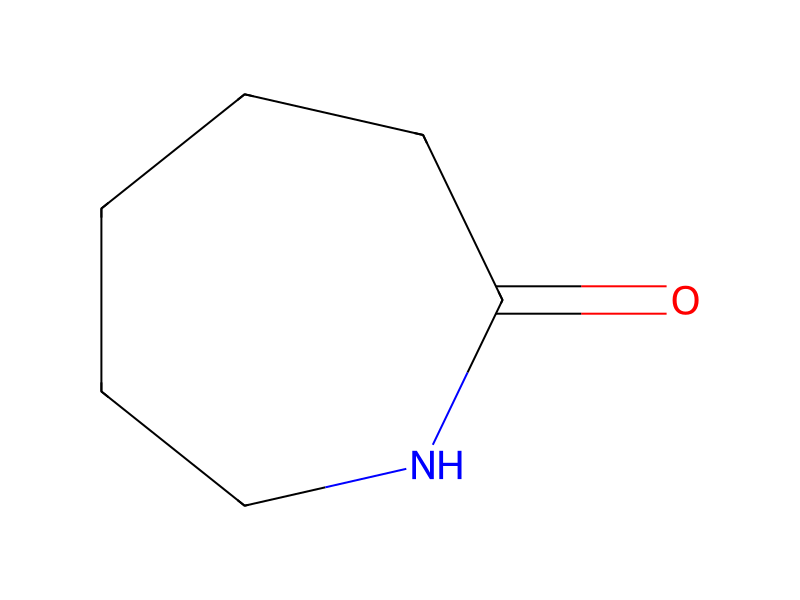
[C:1]1(=[O:8])[NH:7][CH2:6][CH2:5][CH2:4][CH2:3][CH2:2]1.[NH2:9][CH2:10][CH2:11][CH2:12][CH2:13][CH2:14][CH2:15][CH2:16][CH2:17][CH2:18][CH2:19][CH2:20][C:21]([OH:23])=[O:22].P(=O)(O)(O)[OH:25]>O>[CH2:16]([CH2:17][CH2:18][CH2:19][CH2:20][C:21]([OH:23])=[O:22])[CH2:6][CH2:5][CH2:4][CH2:3][CH2:2][C:1]([OH:8])=[O:25].[CH2:12]([CH2:11][CH2:10][NH2:9])[CH2:13][CH2:14][CH2:15][NH2:7]参加物
5




実験手順
1.0 kg of ε-caprolactam, 3.0 kg of 12-aminododecanoic acid and 200 g of fluoromica (average particle size 8 μm, CEC corresponding to 0.14 mole) were added to 1.5 kg of water. Into a 30 L volume reactor which was in advance charged with 4 kg of ε-caprolactam were introduced the above-described mixture and 16.1 g (0.14 mole) of 85 wt % phosphoric acid aqueous solution. The pellets of nylon 6/12 resin composition were prepared in the same manner as in Comparative Example 3. After being refined in 95° C. hot water and dried, the pellets were injection molded in an injection molding machine (IS80G-3A Model, manufactured by Toshiba Machine, Ltd.) at a cylinder temperature of 250° C. and a mold temperature of 50° C. for an injection time of 6 seconds and a cooling time of 10 seconds to prepare 2 mm thick plates and 3.2 mm thick specimens for testing.