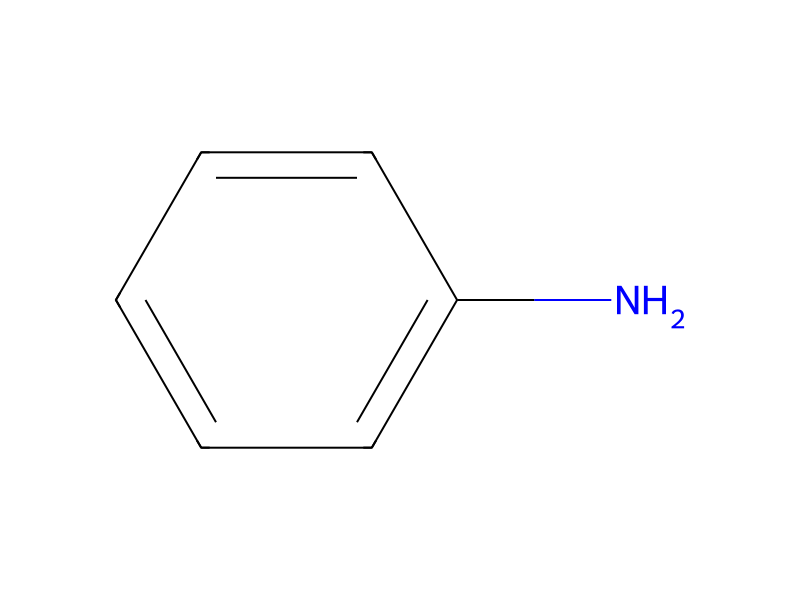
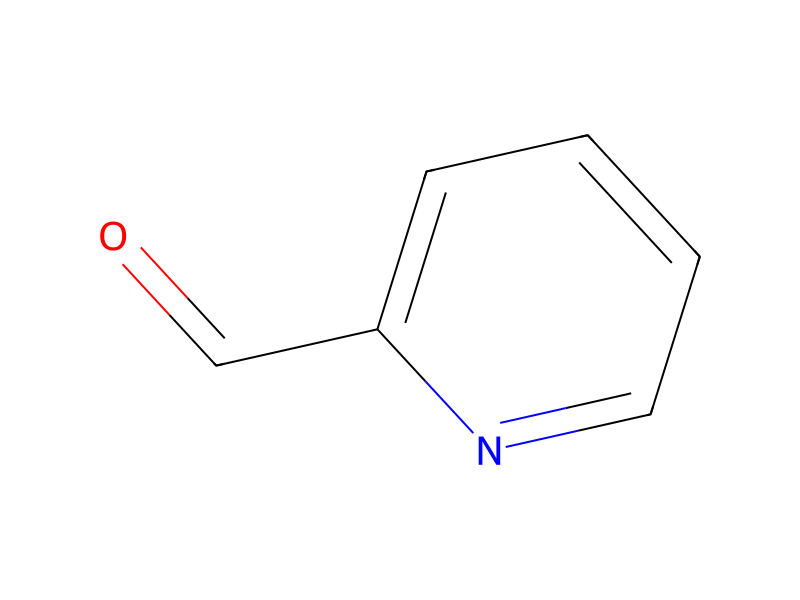
NC1C=CC=CC=1.[N:8]1[CH:13]=[CH:12][CH:11]=[CH:10][C:9]=1[CH:14]=O.[Cl:16][C:17]1[CH:42]=[CH:41][CH:40]=[CH:39][C:18]=1[O:19][C:20]1[CH:21]=[C:22]([NH2:38])[C:23]([NH2:37])=[CH:24][C:25]=1[O:26][C:27]1[CH:28]=[N:29][C:30]([S:33]([CH3:36])(=[O:35])=[O:34])=[CH:31][CH:32]=1>CO>[Cl:16][C:17]1[CH:42]=[CH:41][CH:40]=[CH:39][C:18]=1[O:19][C:20]1[C:25]([O:26][C:27]2[CH:28]=[N:29][C:30]([S:33]([CH3:36])(=[O:34])=[O:35])=[CH:31][CH:32]=2)=[CH:24][C:23]2[NH:37][C:14]([C:9]3[CH:10]=[CH:11][CH:12]=[CH:13][N:8]=3)=[N:38][C:22]=2[CH:21]=10.26 ml of 1 M methanol solution of aniline and pyridine-2-carboxaldehyde (1/1) was added to a methanol (1 ml) solution of 35 mg of 4-(2-chlorophenoxy)-5-(6-methanesulfonyl-pyridin-3-yloxy)-benzene-1,2-diamine obtained in (step 1), and the reaction liquid was stirred overnight at 60° C. The solvent was evaporated away under reduced pressure, and the resulting residue was purified through reversed-phase middle-pressure liquid chromatography [ODS-AS-360-CC (by YMC), mobile phase: water-acetonitrile-0.1% trifluoroacetic acid]. The solvent of the resulting fraction was diluted with ethyl acetate, washed with aqueous saturated sodium bicarbonate, and then dried with anhydrous sodium sulfate. The solvent was evaporated away under reduced pressure to obtain the entitled compound as a pale yellow solid.