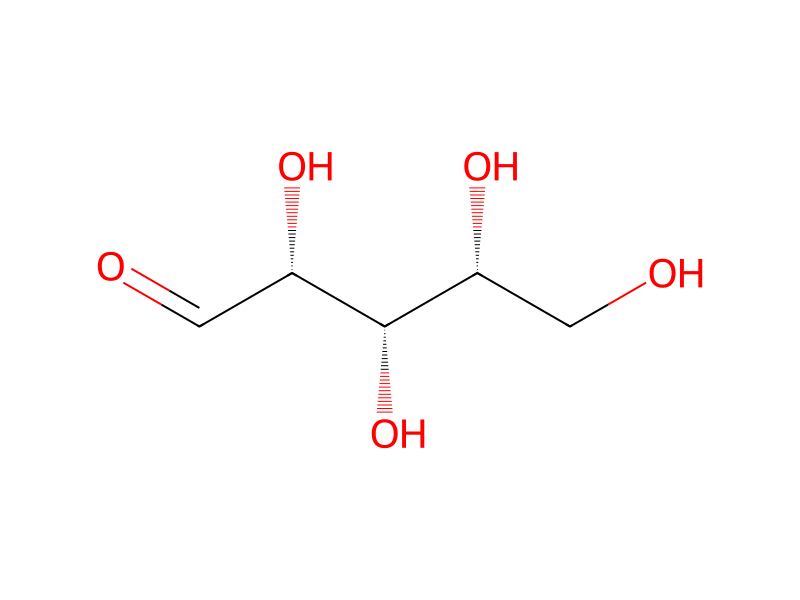
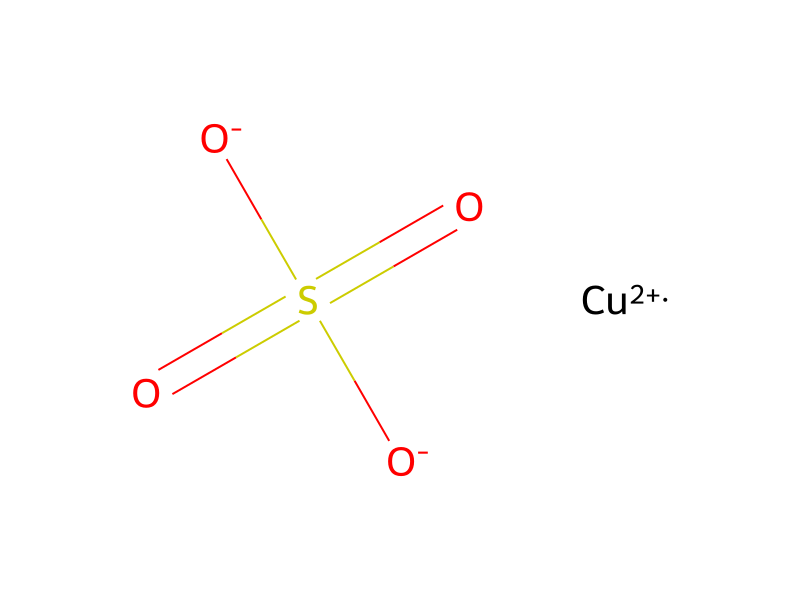
According to the reported procedures, (Suhara et al., J. Org. Chem. 2001, 66, 8760-8771) a suspension of D-xylose (50 g), anhydrous CuSO4 (70 g) and conc. H2SO4 (5 mL) in acetone (1 L) was stirred at room temperature for 24 h, followed by partial hydrolysis in aqueous HCl solution (110 mL, 0.1 M) at 40° C. for 2 h, to give 1,2-O-isopropylidene-α-D-xylofuranose (4, 61 g) as colorless syrup. Compound 4 (10 g, 52.6 mmol) was treated with pivaloyl chloride (6.6 g, 54.8 mmol) in pyridine (50 mL) at 0° C. for 8 h to give 1,2-O-isopropylidene-5-O-pivaloyl-α-D-xylofuranoside (13 g, 85% yield from D-xylose) as colorless oil. Pyridinium dichromate (PDC, 8.92 g, 23.7 mmol) and Ac2O (12.2 mL, 130 mmol) were added to the pivaloyl ester (10.8 g, 39.4 mmol) in CH2Cl2 (160 mL). The mixture was heated under reflux for 1.5 h, and then concentrated under reduced pressure. The residue was dissolved in EtOAc (30 mL), and filtered through a silica gel pad by elution with EtOAc. The filtrate was concentrated and coevaporated with toluene (2×) to remove Ac2O. The crude ketone product (10.2 g) was stirred with hydroxylamine hydrochloride (18.15 g, 260 mmol) in anhydrous pyridine (75 mL) at 60° C. for 24 h. The mixture was concentrated under reduced pressure, and the residue was dissolved in EtOAc. The organic layer was washed with water, and the aqueous layer was extracted with EtOAc (3×). The combined organic layers were dried over MgSO4, filtered, and concentrated. The residual oil was purified by flash column chromatography on silica gel (EtOAc/hexane, 1:3) to afford the corresponding oxime (9.27 g, 82% yield for two steps) as a mixture of syn/anti isomers (70:30). Colorless oil; TLC (EtOAc/hexane, 1:4) Rf=0.4; [α]D20=+162.5 (c=1, CHCl3); IR (neat) 3501, 2988, 1769, 1292 cm−1; 1H NMR (600 MHz, CDCl3) (syn/anti isomers=7:3) δ 8.05 (0.3H, br s), 7.97 (0.7 H, br s), 5.98 (0.7 H, d, J=4.3 Hz), 5.96 (0.3 H, d, J=4.3 Hz), 5.27-5.25 (1 H, m), 4.99 (1 H, dd, J=4.2, 1.3 Hz), 4.97-4.96 (0.3 H, m), 4.55 (0.7H, dd, J=11.1, 2.6 Hz), 4.33 (0.3 H, dd, J=11.1, 2.6 Hz), 4.23-4.20 (1 H, m), 1.47 (3 H, s), 1.42 (3 H, s), 1.16 (9 H, s); 13C NMR (150 MHz, CDCl3) δ 178.1/1770.9, 158.4/157.3, 114.2/113.7, 105.0/104.8, 780.4/73.5, 75.8/750.6, 38.7/38.6, 27.7, 27.4, 27.3, 27.2, 27.19, 27.15; HRMS calc'd for C13H22NO6 (M++H): 288.1444, found: m/z 288.1452.