Water → N-benzyl-3-bromo-1-methyl-4-nitro-1H-pyrazol-5-amine
HRID 1376881
反応式

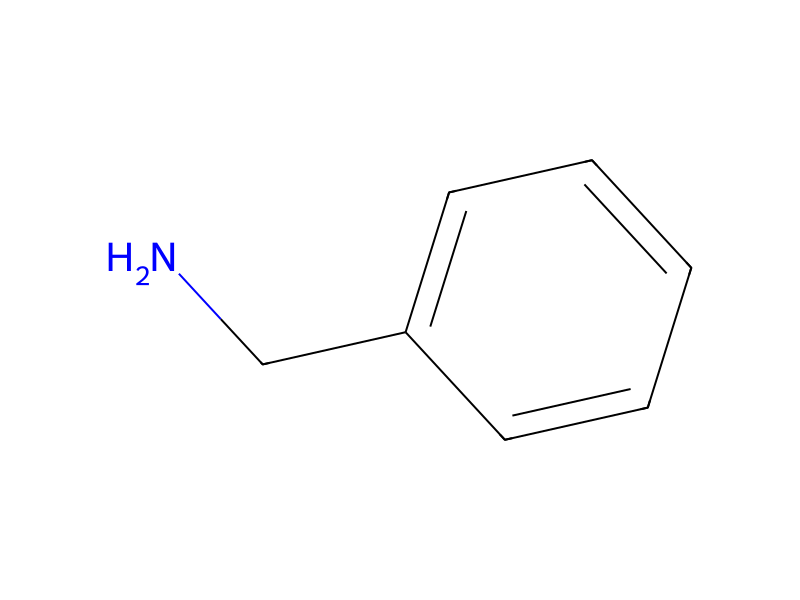
[Br:1][C:2]1[C:6]([N+:7]([O-:9])=[O:8])=[C:5](Br)[N:4]([CH3:11])[N:3]=1.[CH2:12]([NH2:19])[C:13]1[CH:18]=[CH:17][CH:16]=[CH:15][CH:14]=1.O>C(O)C>[CH2:12]([NH:19][C:5]1[N:4]([CH3:11])[N:3]=[C:2]([Br:1])[C:6]=1[N+:7]([O-:9])=[O:8])[C:13]1[CH:18]=[CH:17][CH:16]=[CH:15][CH:14]=1参加物
5




実験手順
2 g (7.02 mmoles) of 3,5-dibromo-1-methyl-4-nitropyrazole are heated in a solution of 11 g (0.1 mole) of benzylamine in 50 ml ethanol for 10 hours at boiling temperature. After cooling, the reaction mixture is poured on 100 ml water, the separated product is filtered and washed with water (20 ml). After vacuum drying, 1.76 g (81 percent of theory) of 5-benzylamino-3-bromo-1-methyl-4-nitropyrazole are obtained in the form of yellow needles with a melting point of 133° C.