Butanal → 2-Ethyl-3-hydroxyhexanal
HRID 1377114
反応式

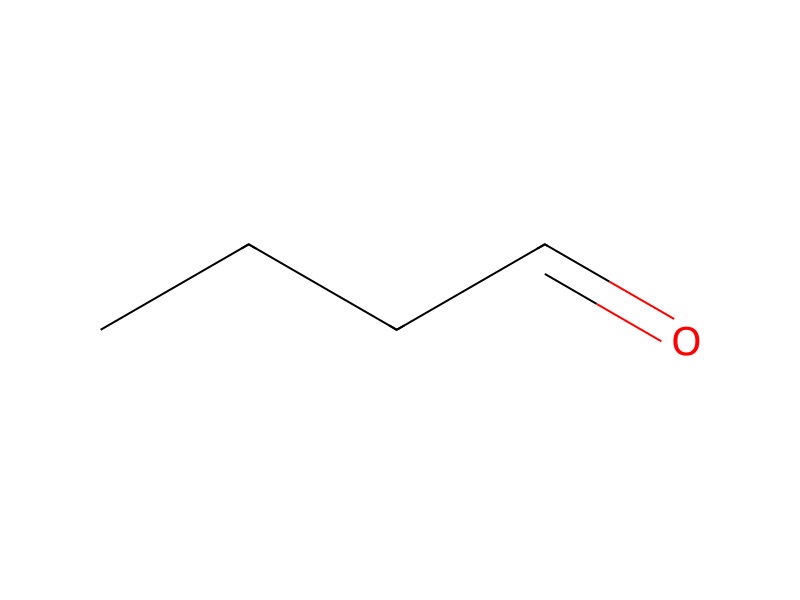
[CH2:1]([CH:3]([CH:6]([OH:10])[CH2:7][CH2:8][CH3:9])[CH2:4][OH:5])[CH3:2].C(=O)CCC>>[CH2:1]([CH:3]([CH:6]([OH:10])[CH2:7][CH2:8][CH3:9])[CH:4]=[O:5])[CH3:2]参加物
3


実験手順
The preparation of 2-ethyl-1,3-hexane diol thus takes place in two steps, as shown above in the reaction formulae. In the first reaction step, n-butyraldehyde reacts with itself, forming as the product of the aldol reaction an intermediate-product β-hydroxyaldehyde according to Formula II, i.e. 2-ethyl-3-hydroxy-hexanal. This intermediate-product β-hydroxy-aldehyde is hydrogenated (reduced) into the corresponding alcohol, i.e. into 2-ethyl-1,3-hexane diol according to Formula III. The efficiency, speed and controllability of the aldol step can thus be improved significantly by using an alkali metal hydroxide or alkali earth metal hydroxide catalyst together with a neutral phase-transfer catalyst. The use of this catalyst combination renders the control of the exothermal forming reaction of the intermediate-product β-aldehyde maximally efficient, and thus the amount of readily forming hazardous byproducts can be minimized. In step 2, the intermediate-product aldehyde is hydrogenated completely into the desired end-product alcohol either by using a reducing agent or by catalytic hydrogenation. By this procedure, the desired objective, i.e. the surprisingly high yield of 2-ethyl-1,3-hexane diol, is achieved.