p-Anisoyl chloride → 1-[2-(4-Chlorophenyl)-ethyl]-4-(4-methoxybenzoyl)piperazine
HRID 1381873
反応式

[Cl:1][C:2]1[CH:7]=[CH:6][C:5]([CH2:8][CH2:9][N:10]2[CH2:15][CH2:14][NH:13][CH2:12][CH2:11]2)=[CH:4][CH:3]=1.C(N(CC)CC)C.[CH3:23][O:24][C:25]1[CH:33]=[CH:32][C:28]([C:29](Cl)=[O:30])=[CH:27][CH:26]=1>ClCCl>[Cl:1][C:2]1[CH:7]=[CH:6][C:5]([CH2:8][CH2:9][N:10]2[CH2:11][CH2:12][N:13]([C:29](=[O:30])[C:28]3[CH:32]=[CH:33][C:25]([O:24][CH3:23])=[CH:26][CH:27]=3)[CH2:14][CH2:15]2)=[CH:4][CH:3]=1参加物
5
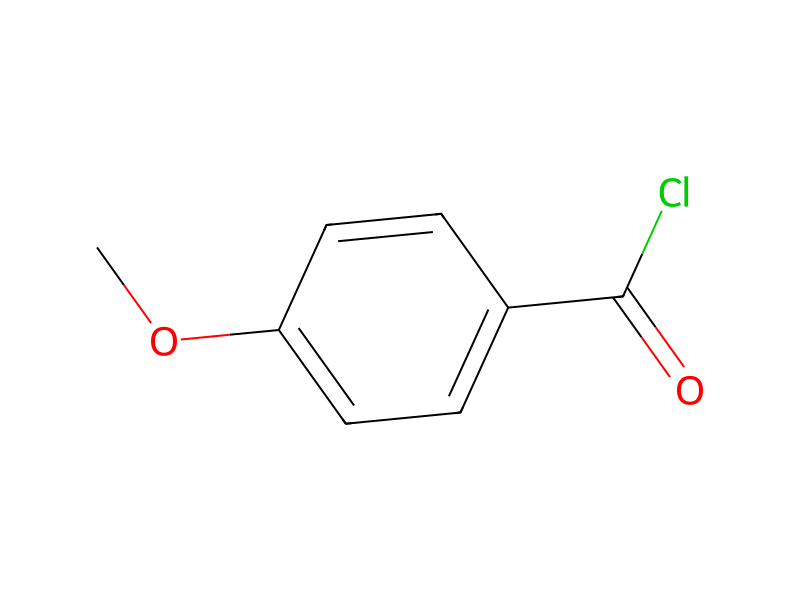




実験手順
22.4 g of 1-[2-(4-chlorophenyl)-ethyl]piperazine and 12.1 g of triethylamine are dissolved in 200 ml of dichloromethane, and a solution of 20.4 g of 4-methoxybenzoyl chloride in 30 ml of dichloromethane is added dropwise, while stirring, at 25°-30°. Stirring is continued overnight at room temperature and then the whole is washed in succession with 150 ml of 2N sodium hydroxide solution and with water, dried over sodium sulphate and concentrated to dryness by evaporation. The residue is crystallised from ethanol. 1-[2-(4-chlorophenyl)-ethyl]-4-(4-methoxybenzoyl)piperazine having a melting point of 105°-106° is obtained.