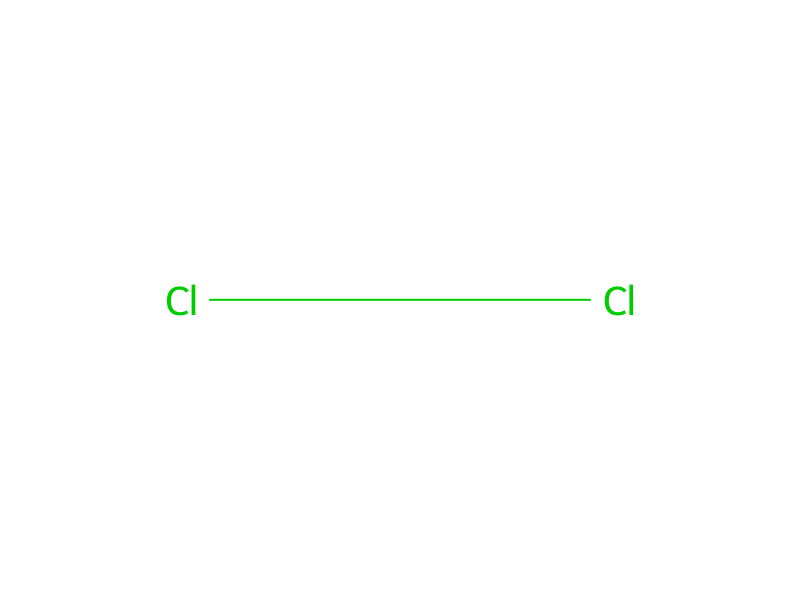
Chlorine → 3-Chloro-1-methyl-5-(pyrazin-2-yl)pyridin-2(1H)-one
HRID 1388662
反応式

[Cl:1]Cl.[CH3:3][N:4]1[CH:9]=[C:8]([C:10]2[CH:15]=[N:14][CH:13]=[CH:12][N:11]=2)[CH:7]=[CH:6][C:5]1=[O:16]>C(O)(=O)C>[Cl:1][C:6]1[C:5](=[O:16])[N:4]([CH3:3])[CH:9]=[C:8]([C:10]2[CH:15]=[N:14][CH:13]=[CH:12][N:11]=2)[CH:7]=1参加物
4



実験手順
About 1.2 ml of condensed chlorine gas is introduced into a reaction mixture comprising 1-methyl-5-(2-pyrazinyl)-2-pyridone (3.2 g) dissolved in 200 ml of glacial acetic acid. After all the chlorine is added, stirring is stopped and the solid product filtered, washed with ether and air dried. The dried solid is suspended in distilled H2O to which saturated potassium carbonate is added until the pH is greater than 7. The resulting white solid is filtered, recrystallized from isopropanol, and NMR and IR indicate that it is the desired 3-chloro-1-methyl-5-(2-pyrazinyl)-2-pyridone compound, M.P. 197°-198° C.