Phosphorus oxychloride → HCID 12318099、化合物
反応式

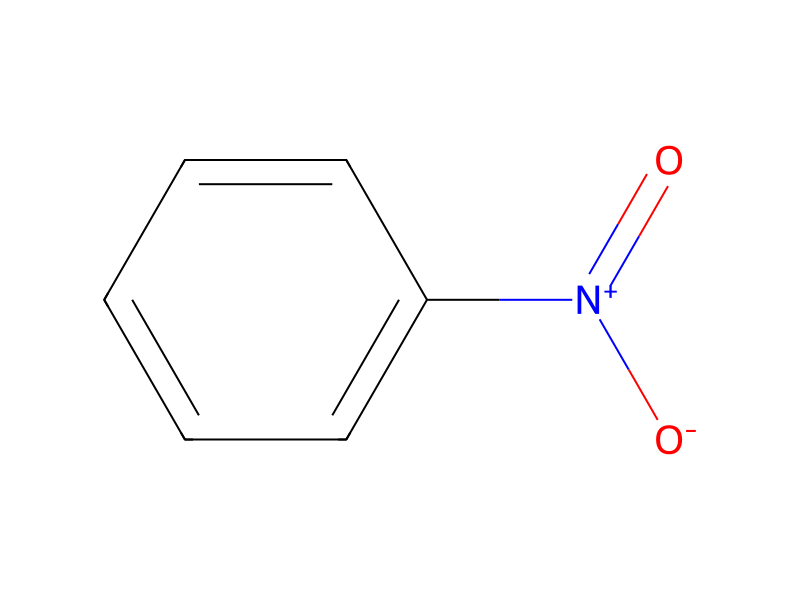
[CH3:1][N:2]([CH2:10][CH:11](O)[CH2:12][NH:13][C:14](=O)[C:15]1[CH:20]=[CH:19][CH:18]=[CH:17][CH:16]=1)[C:3]1[CH:8]=[CH:7][C:6]([Cl:9])=[CH:5][CH:4]=1.P(Cl)(Cl)([Cl:25])=O>[N+](C1C=CC=CC=1)([O-])=O>[ClH:9].[Cl:25][CH:11]1[CH2:12][N:13]=[C:14]([C:15]2[CH:20]=[CH:19][CH:18]=[CH:17][CH:16]=2)[C:4]2[CH:5]=[C:6]([Cl:9])[CH:7]=[CH:8][C:3]=2[N:2]([CH3:1])[CH2:10]1参加物
4



反応条件
- 温度
- 95 °C
実験手順
A mixture of 32 grams of N-methyl-N-(2-hydroxy-3-benzoylaminopropyl)-4-chloroaniline and 50 milliliters of phosphorus oxychloride and 100 milliliters of nitrobenzene was heated at a temperature of 95° C. during the course of 22 hours. The excess phosphorus oxychloride and the nitrobenzene were then distilled therefrom at a subatmospheric pressure. The residue was then extracted with chloroform and treated with ice water and dilute sodium hydroxide as described hereinbefore in Example 1. The chloroform extract was then concentrated by evaporation at a subatmospheric pressure. The residue was dissolved in diethyl ether and an isopropanol solution of hydrogen chloride was then added thereto. After recrystallization from a mixture of ethanol and diethyl ether there was obtained 3,8-dichloro-1-methyl-6-phenyl-1,2,3,4-tetrahydro-1,5-benzodiazocine hydrochloride having a melting point of 195°-196° C.