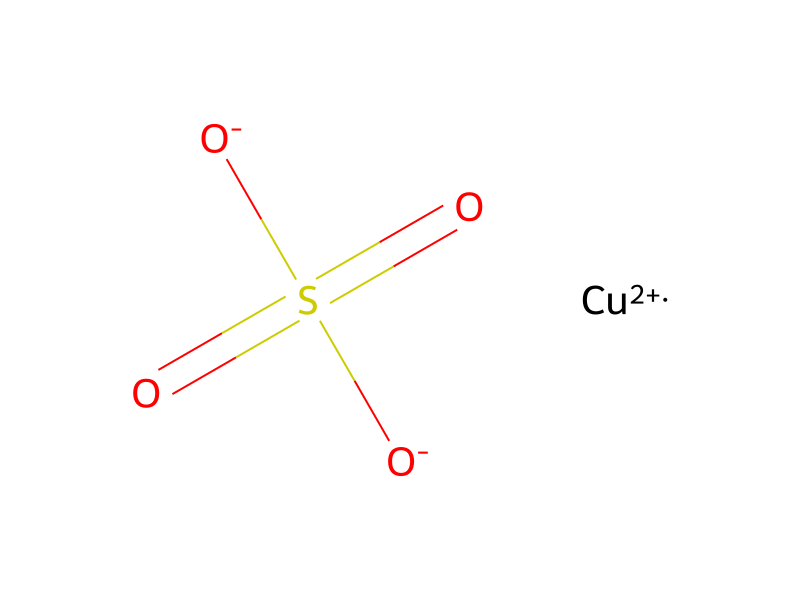
[N:1]([C:4]1[CH:9]=[CH:8][N:7]=[CH:6][CH:5]=1)=[N+:2]=[N-:3].[C:10]1([C:16]#[CH:17])[CH:15]=[CH:14][CH:13]=[CH:12][CH:11]=1.O=C1O[C@H]([C@H](CO)O)C([O-])=C1O.[Na+]>S([O-])([O-])(=O)=O.[Cu+2].O.CC(C)=O>[C:10]1([C:16]2[N:3]=[N:2][N:1]([C:4]3[CH:9]=[CH:8][N:7]=[CH:6][CH:5]=3)[CH:17]=2)[CH:15]=[CH:14][CH:13]=[CH:12][CH:11]=1Approximately equimolar amounts of 4-azidopyridine and phenylacetylene (4.12 ml, 41.8 mmol) were added into a 250 mL round-bottom flask with 50 mL mixture of water/acetone. Copper (II) sulfate and sodium L-ascorbate were added to this solution and the reaction was stirred at room temperature for 24 hours. The solution was filtered and concentrated. Ethyl acetate (200 ml) was added to the concentrated solution. The organic layer was washed twice with 25 mL water, dried with MgSO4, filtered, concentrated and dried in vacuo, producing 4-(4-phenyl-1H-1,2,3-triazol-1-yl)pyridine.