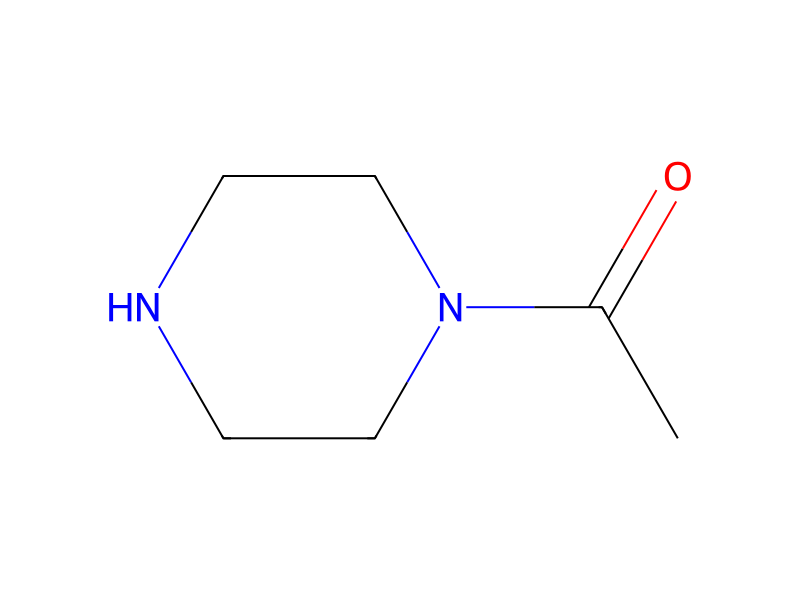
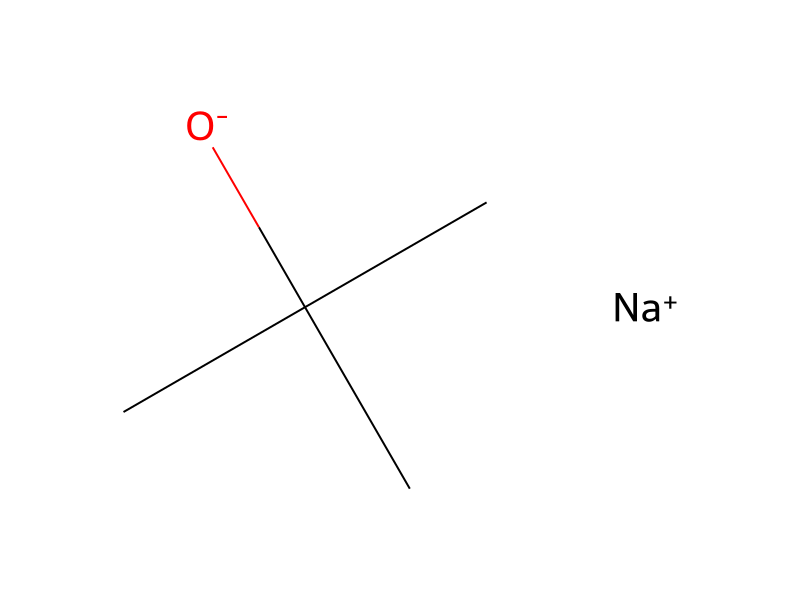
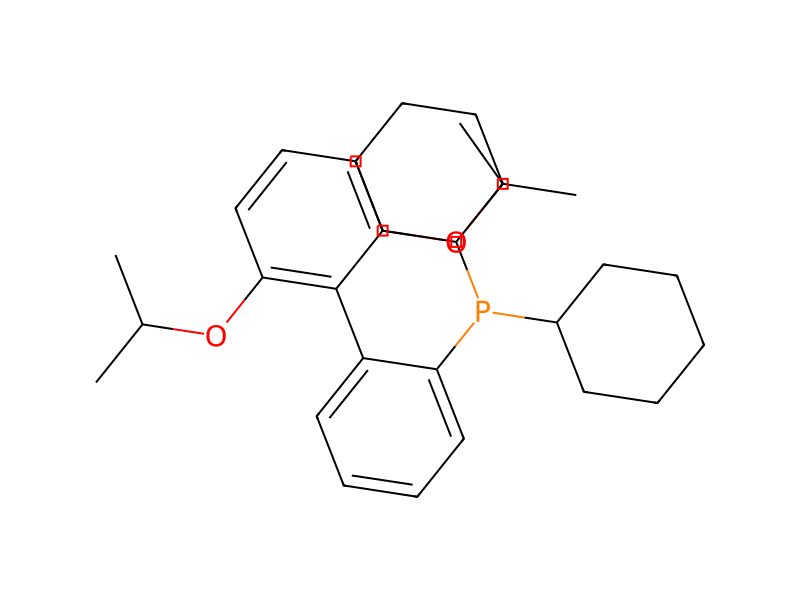
Palladium(II) acetate (111 mg, 0.49 mmol), 2-dicyclohexylphosphino-2′,6′-di-i-propoxy-1,1′-biphenyl (469 mg, 0.98 mmol) and sodium tert-butoxide (4.88 g, 49.2 mmol) were combined and the flask was purged with nitrogen. A solution of 1-piperazin-1-ylethanone (4.1 g, 32 mmol) and 4-bromo-1-(dimethoxymethyl)-2-fluoro-benzene (6.13 g, 24.6 mmol) in 1,4-dioxane (82 mL) was then added and the reaction was stirred at 100° C. for 16 hours. The reaction was then filtered through diatomaceous earth and concentrated. The resulting residue was dissolved in 50 mL of THF and 50 mL of 1 N aqueous HCl was added and the reaction was stirred at ambient temperature for 16 hours. The reaction was then neutralized with saturated aqueous Na2CO3 and extracted with dichloromethane (x3), dried with MgSO4, concentrated and purified by silica gel column chromatography (0-10% methanol in dichloromethane) to give 4-(4-acetylpiperazin-1-yl)-2-fluoro-benzaldehyde (3.68 g, 60% yield). LCMS (m/z) ES+ 251 [M+1]+.