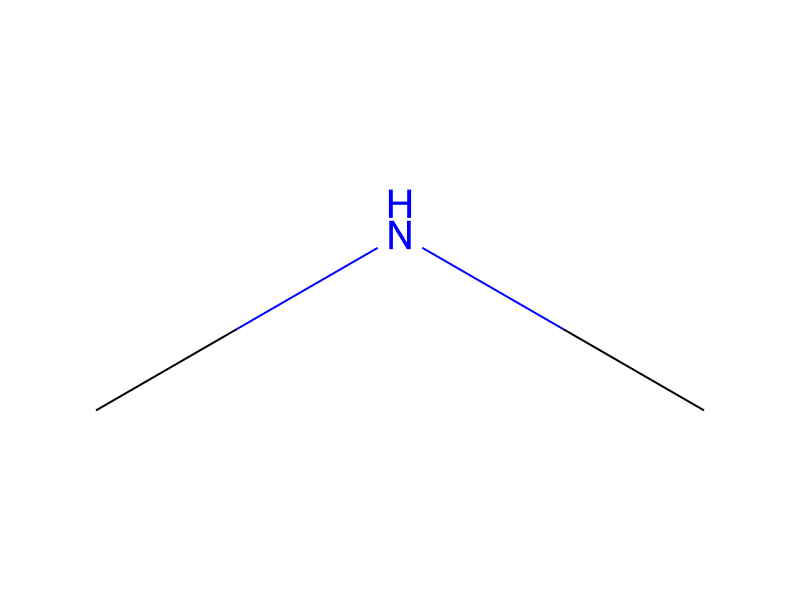
Dimethylamine → N-(2-nitrophenyl)-2-dimethylaminoacetamide
HRID 1415634
反応式

[CH3:1][NH:2][CH3:3].[N+:4]([C:7]1[CH:12]=[CH:11][CH:10]=[CH:9][C:8]=1[NH:13][C:14](=[O:17])[CH2:15]Cl)([O-:6])=[O:5]>C(O)C>[N+:4]([C:7]1[CH:12]=[CH:11][CH:10]=[CH:9][C:8]=1[NH:13][C:14](=[O:17])[CH2:15][N:2]([CH3:3])[CH3:1])([O-:6])=[O:5]参加物
4



実験手順
A solution of dimethylamine in ethanol (40 ml. of a 33% w/w solution) was added to a suspension of N-(2-nitrophenyl)-2-chloroacetamide (14.9 g) [prepared by the method described by G. Tennant, J.C.S., (1963), 2428] in ethanol (70 ml) and the mixture was heated to reflux, with stirring, for 2hours. After cooling, the ethanol and excess dimethylamine were evaporated off under reduced pressure and the solid residue was treated with an aqueous potassium hydroxide solution (100 ml., 40% w/v). The resulting suspension was extracted with diethyl ether (3 × 100 ml) and the combined extracts dried over magnesium sulphate and evaporated to give N-(2-nitrophenyl)-2-dimethylaminoacetamide (13.8 g), m.p. 44°-47° C., sufficiently pure to be used in the next stage of the synthesis, the preparation of N-(2-aminophenyl)-2-dimethylaminoacetamide.