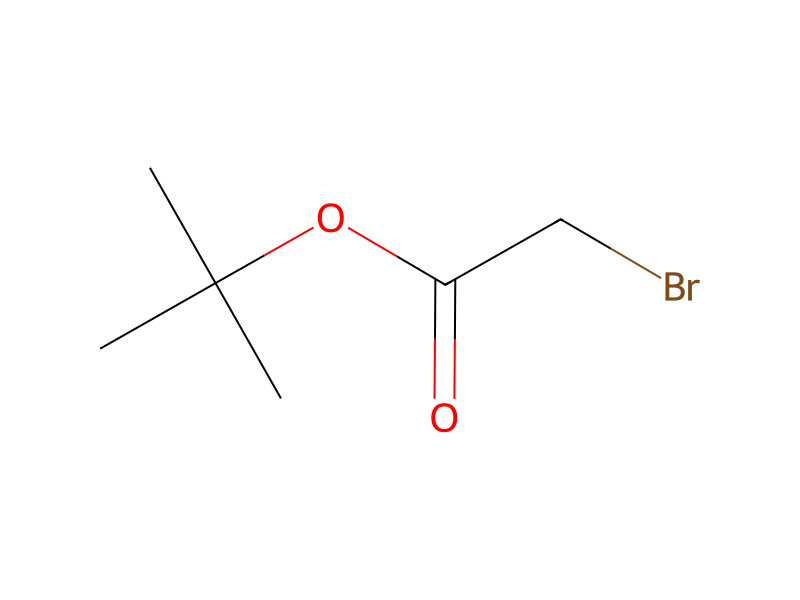
[O:1]=C1NCNC1=O.[N+:8]([C:11]1[CH:12]=[C:13]([CH:27]=[CH:28][CH:29]=1)[CH2:14][N:15]1[C:19](=[O:20])[C:18](=[O:21])[N:17]([CH2:22][C:23]([OH:25])=[O:24])[C:16]1=C)([O-:10])=[O:9].C(=O)(O)[O-].[K+].BrCC(O[C:40]([CH3:43])([CH3:42])[CH3:41])=O>CC(C)=O>[OH:20][CH:19]1[N:15]([CH2:14][C:13]2[CH:27]=[CH:28][CH:29]=[C:11]([N+:8]([O-:10])=[O:9])[CH:12]=2)[C:16](=[O:1])[N:17]([CH2:22][C:23]([O:25][C:40]([CH3:43])([CH3:42])[CH3:41])=[O:24])[C:18]1=[O:21]The above-prepared dioxoimidazolidine product of paragraph (1) (12.5 g) and 10 g of potassium bicarbonate were suspended in 150 mL of acetone, 9 mL of tert-butyl bromoacetate was added thereto and the mixture was heated to reflux for eight hours with stirring. Insoluble matters were filtered off, the filtrate was concentrated in vacuo, the residue was dissolved in ethyl acetate and the solution was washed with water and a saturated saline solution. Then the solution was dried over sodium sulfate, ethyl acetate was evaporated therefrom and the resulting residue was purified by a silica gel column to give 12.4 g of tert-butyl 5-hydroxy-1-(3-nitrobenzyl)-2,4-dioxoimidazolidine-3-acetate.