Diazomethane → 9-Phenanthrol
反応式

[N+](=C)=[N-].C1(=O)C2C(C3C(C=2)=CC=CC=3)=CC=C1.C[O:19][C:20]1[C:21]2[C:26]([C:27]3[CH:28]=[CH:29][CH:30]=[CH:31][C:32]=3[CH:33]=1)=[CH:25][CH:24]=[CH:23][CH:22]=2.C1C2C=C(OC3C4C(C5C=CC=CC=5C=3)=CC=CC=4)C3C(=CC=CC=3)C=2C=CC=1>>[CH:31]1[C:32]2[CH:33]=[C:20]([OH:19])[C:21]3[C:26](=[CH:25][CH:24]=[CH:23][CH:22]=3)[C:27]=2[CH:28]=[CH:29][CH:30]=1参加物




実験手順
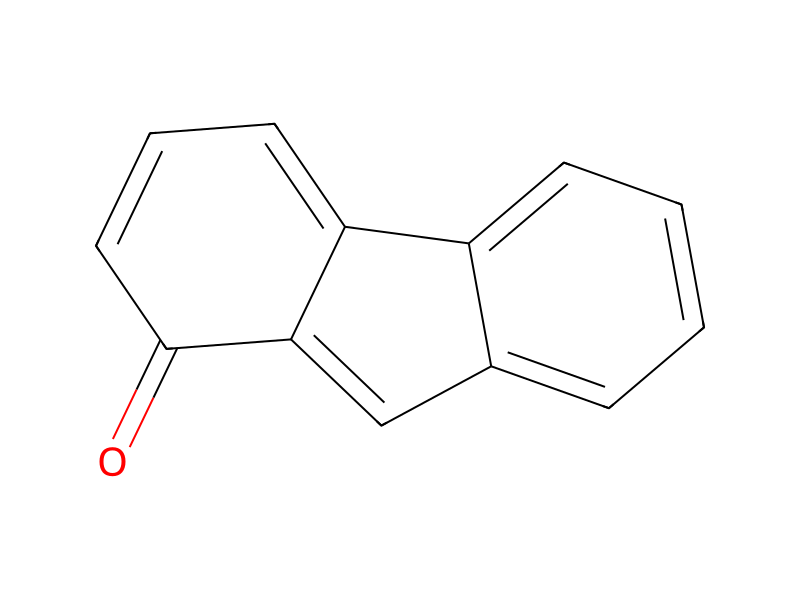
Cyclic aliphatic ketones are known to ring expand with diazomethane to form larger cyclic aliphatic ketones. This reaction may be also be conducted in some instances with aromatic ketones, producing a variety of homologous ring- enlarged ketones in addition to the formation of enols, enol ethers and ethylene oxides. Thus, for example, Schultz et al, J. Am. Chem, Soc. 62, 2902-4 (1940) reported the reaction of diazomethane with fluorenone to yield 5% of 9-phenanthrol, 30% of 9-methoxyphenanthrene, 1.5% of di-9-phenanthryl ether, an unknown substance and 30% of unchanged fluorenone. In addition, substituents on the aromatic ring are known to change the ratio of the various products obtained as well as to give rise to additional isomeric, homologous ketones and side products. Thus, the application of the diazomethane reaction to the 2,7-bis-basic ethers of 9-fluorenone could not have been predicted and is not without difficulty.
出典と根拠
- ORDレコード
- ord-efb2bd2fba3f4d17b4f606baee0e9496
- 出典データセット
- uspto-grants-1977_11
- 特許番号
- US04059702
反応ノート
読み込み中…