反応式

[O-:1][C:2]1[CH:7]=[CH:6][CH:5]=[CH:4][CH:3]=1.[Na+].[C:9](=[O:13])([O-:12])[O:10]C.C(=O)(OCC)OC/C=C/C1C=CC=CC=1>CCOCC>[O-:1][C:2]1[CH:7]=[CH:6][CH:5]=[CH:4][CH:3]=1.[C:9](=[O:10])([O-:13])[O-:12]参加物
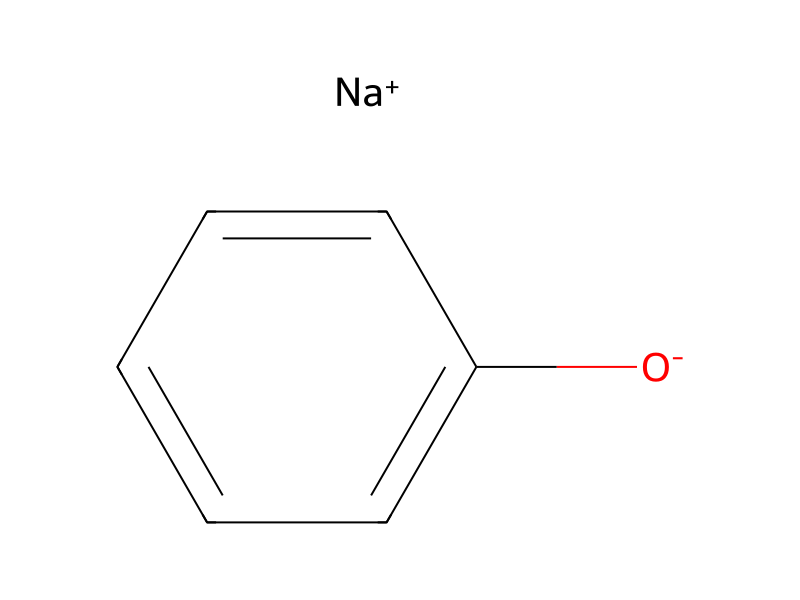



実験手順
Alkali metal phenoxides as nucleophiles proved to be superior to the combination of phenol and amine base. Sodium phenoxide furnished the corresponding allylation product with high regio- and enantioselectivity (Table 6, entries 4-6). Reaction of sodium phenoxide with methyl carbonate 1a formed the alkylation product at room temperature in a modest 40% yield because of competing trans-esterification (entry 4), but reactions with the more hindered and less reactive (E)-cinnamyl ethyl carbonate (1b of Table 6) occurred without significant competing transesterification. This combination of phenoxide and carbonate gave the branched ether in good yields with excellent regio- and enantioselectivities after 35 h at room temperature or 17 h at 50° C. (Table 6, entries 5 and 6).
後処理
- customformed the alkylation product at room temperature in a modest 40% yield because
出典と根拠
- ORDレコード
- ord-480284fbc3204e66b6bd04bdf6bcd8f1
- 出典データセット
- uspto-grants-2010_06
- 特許番号
- US07732365B2
関連ノート
読み込み中…