反応式
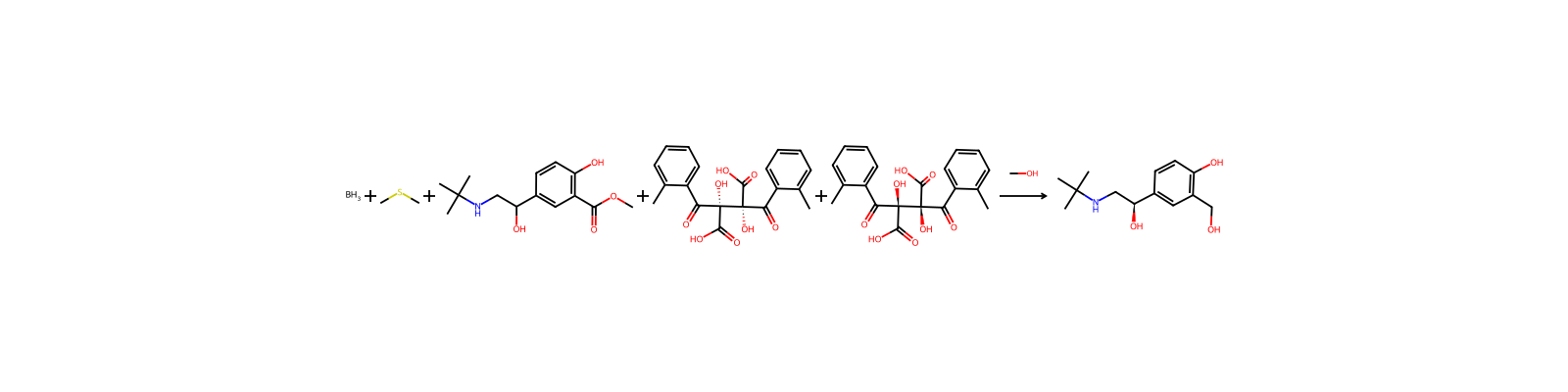
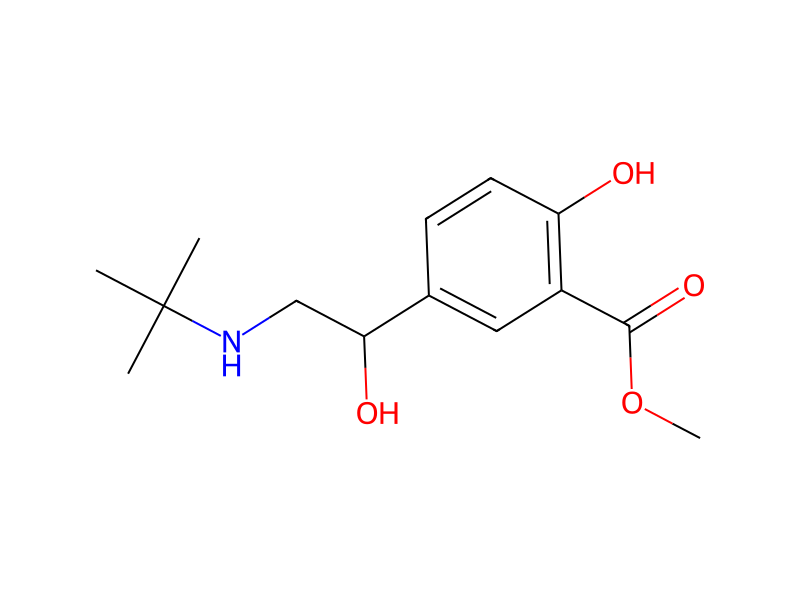
B.CSC.[CH3:5][C:6]([NH:9][CH2:10][CH:11]([C:13]1[CH:14]=[CH:15][C:16]([OH:23])=[C:17]([CH:22]=1)[C:18](OC)=[O:19])[OH:12])([CH3:8])[CH3:7].C1(C)C(C([C@@](C(O)=O)(O)[C@@](C(C2C(C)=CC=CC=2)=O)(O)C(O)=O)=O)=CC=CC=1.C1(C)C(C([C@](C(O)=O)(O)[C@](C(C2C(C)=CC=CC=2)=O)(O)C(O)=O)=O)=CC=CC=1>CO>[CH3:8][C:6]([NH:9][CH2:10][C@H:11]([OH:12])[C:13]1[CH:14]=[CH:15][C:16]([OH:23])=[C:17]([CH2:18][OH:19])[CH:22]=1)([CH3:5])[CH3:7]参加物



実験手順
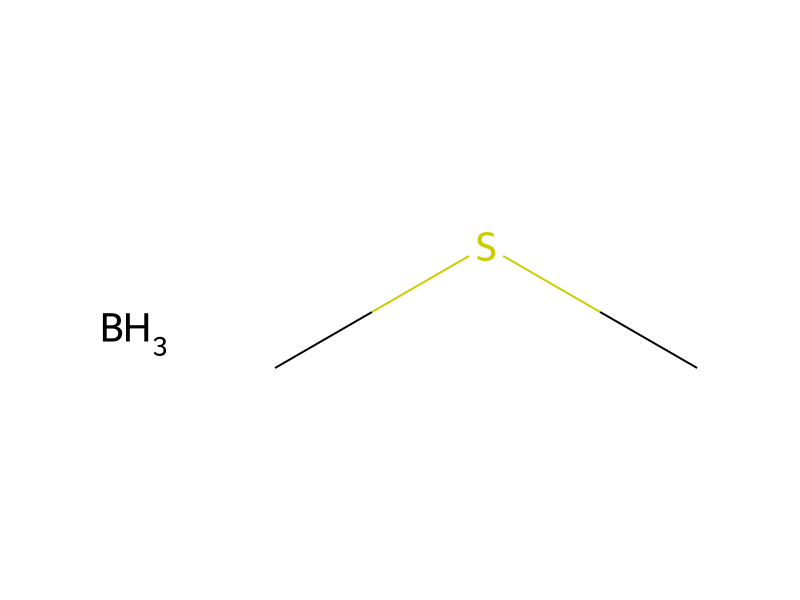
Several patents report synthetic routes using enantiomeric separation, however, the synthetic routes result in low yields of the enantiomerically pure product. Optically pure levalbuterol was synthesized by the borane-methylsulfide reduction of the enantiomerically pure precursor (Formula 2) as described in U.S. Pat. No. 5,399,765. The reaction dissolved a mixture of enantiomers of methyl 5-[2-[(1,1-dimethylethyl)amino]-1-hydroxyethyl]-2-hydroxybenzoate and a chiral acid selected from (−)-di-toluoyl-L-tartaric acid and (+)-di-toluoyl-D-tartaric acid in methanol, upon cooling one stereoisomer crystallized, which was separated, and recrystallized as a diastereomer from methanol, the diastereomer was separated, treated with base, and upon reduction formed optically active levalbuterol.
後処理
- customseparation
- customhowever, the synthetic routes result
- customin low yields of the enantiomerically pure product
- dissolutionThe reaction dissolved
- temperatureupon cooling one stereoisomer crystallized, which
- customwas separated
- customrecrystallized as a diastereomer from methanol
- customthe diastereomer was separated
- additiontreated with base
出典と根拠
- ORDレコード
- ord-c07eb2839d6b4c14a590a0ea09564163
- 出典データセット
- uspto-grants-2009_01
- 特許番号
- US07482489B2
関連ノート
読み込み中…