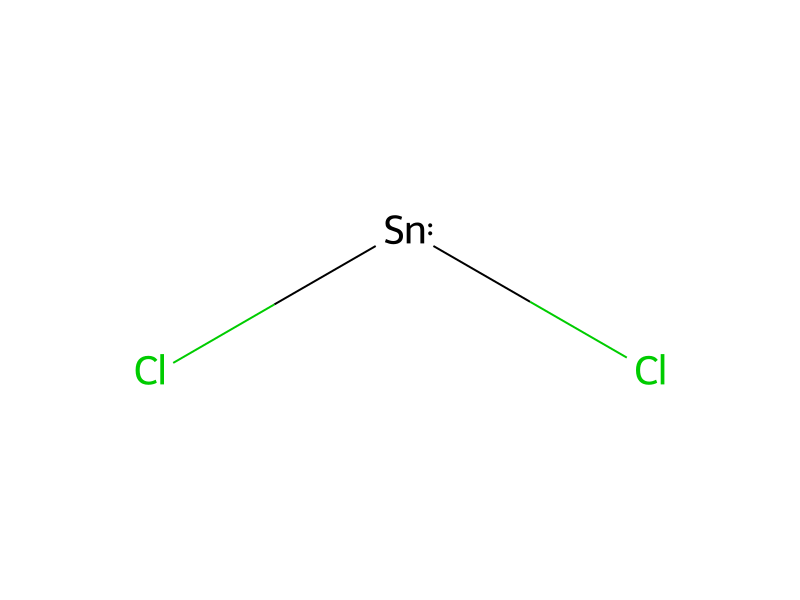
[Cl:1][C:2]1[CH:20]=[CH:19][C:5]([CH2:6][C:7]2([C:12]([O:14][C:15]([CH3:18])([CH3:17])[CH3:16])=[O:13])[CH2:9][C:8]2([F:11])[F:10])=[CH:4][C:3]=1[N+:21]([O-])=O.[Sn](Cl)Cl.[F-].[K+]>O1CCOCC1.Cl>[NH2:21][C:3]1[CH:4]=[C:5]([CH:19]=[CH:20][C:2]=1[Cl:1])[CH2:6][C:7]1([C:12]([O:14][C:15]([CH3:18])([CH3:16])[CH3:17])=[O:13])[CH2:9][C:8]1([F:11])[F:10]1.60 g (4.60 mmol) of (+/−)-tert-butyl 1-(4-chloro-3-nitrobenzyl)-2,2-difluorocyclopropanecarboxylate were dissolved in 20 ml of dioxane, and 4.36 g (23.0 mmol) of tin(II) chloride and a few drops of 1 N hydrochloric acid were added at RT. The reaction mixture was heated at 70° C. for 1 h. After cooling to RT, 10 ml of 10% strength aqueous potassium fluoride solution were added. The mixture was extracted three times with ethyl acetate, and the combined organic phases were dried over magnesium sulphate and concentrated under reduced pressure. The residue was purified by chromatography on silica gel (mobile phase cyclohexane/ethyl acetate 50:1→10:1). This gave 1.16 g of the target product (79.3% of theory).