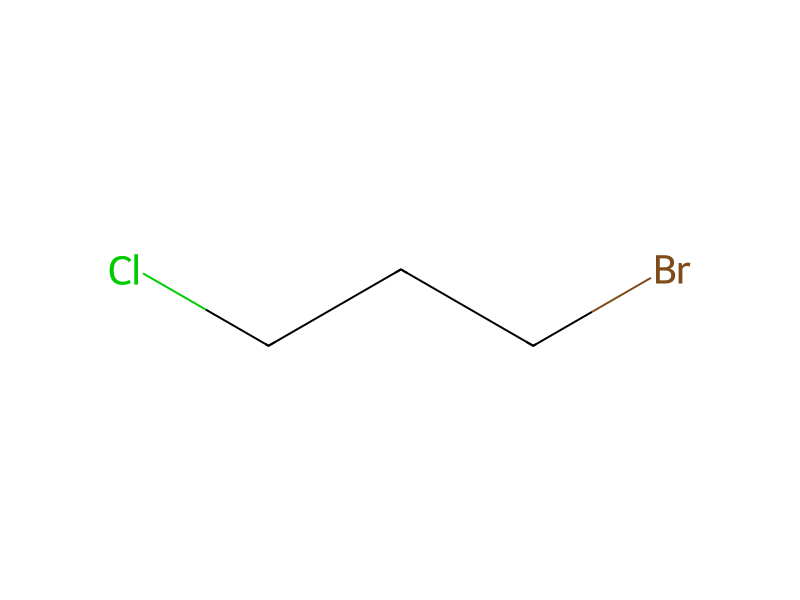
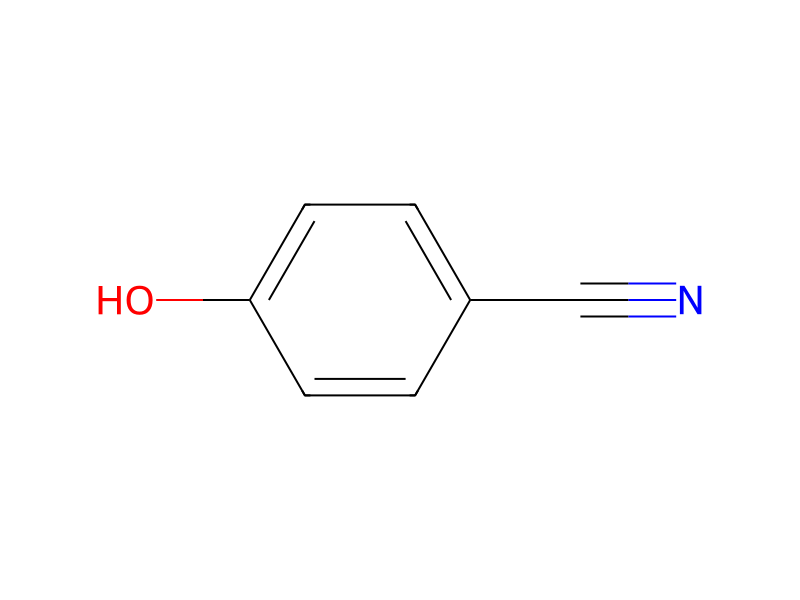
Br.[C:2]([CH:10]1[CH2:15][CH2:14][NH:13][CH2:12][CH2:11]1)(=[O:9])[C:3]1[CH:8]=[CH:7][CH:6]=[CH:5][CH:4]=1.C([O-])([O-])=O.[K+].[K+].Br[CH2:23][CH2:24][CH2:25]Cl.[C:27]([C:29]1[CH:34]=[CH:33][C:32]([OH:35])=[CH:31][CH:30]=1)#[N:28]>CN(C=O)C>[C:2]([CH:10]1[CH2:15][CH2:14][N:13]([CH2:23][CH2:24][CH2:25][O:35][C:32]2[CH:33]=[CH:34][C:29]([C:27]#[N:28])=[CH:30][CH:31]=2)[CH2:12][CH2:11]1)(=[O:9])[C:3]1[CH:8]=[CH:7][CH:6]=[CH:5][CH:4]=14-Benzoylpiperdine hydrobromide (2.70 g, 10 mmol) was combined with K2CO3 (6.9 g, 50 mmol) in DMF (˜40 mL), followed by 1-bromo-3-chloropropane (1.55 g, 10 mmol). The reaction progress was monitored by LC-MS and upon completion of the reaction (˜2 h) 4-cyanophenol (1.3 g, 11 mmol) was added and the reaction allowed to stir overnight. The mixture was poured onto water and extracted with ethyl acetate, washed with brine and dried over Na2SO4. The volatiles were removed under reduced pressure and the crude mixture purified on silica gel (0-100% EtOAc in hexanes) to give 2.71 g (78% yield over 2 steps) of 4-(3-(4-benzoylpiperidin-1-yl)propoxy)benzonitrile: LC-MS (>98%) m/z=349.2 [M+H].