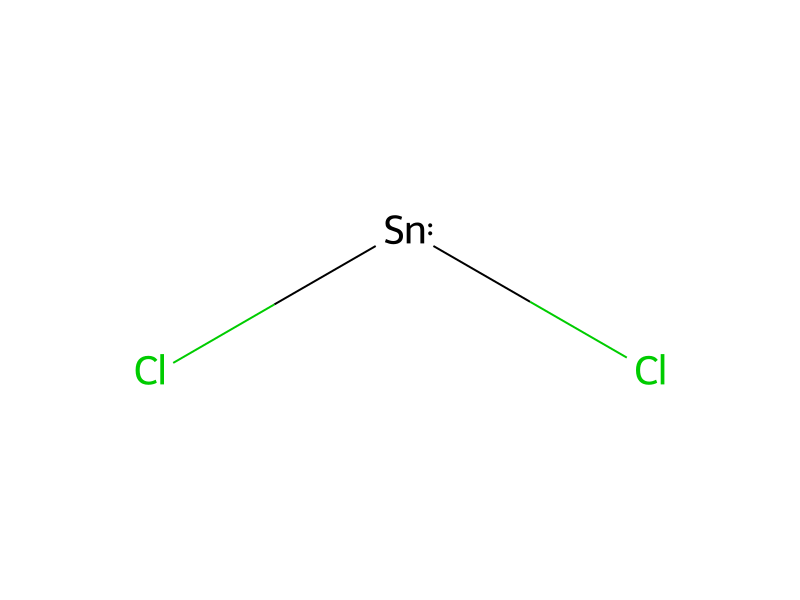
A suspension of 4-methyl-2-(4-nitro-3-trifluoromethyl-phenyl)-pentanoic acid ethyl ester (38.3 g, 115 mmol), tin (II) chloride (87.2 g, 460 mmol) and water (16.6 g, 920 mmol) in ethanol (500 mL) was heated at reflux for four hours. The reaction mixture was concentrated under reduced pressure; the residue was treated with ethyl acetate (300 mL) and aqueous NaOH solution (1 N, 2.5 L). The aqueous layer was extracted with ethyl acetate (3×600 mL). The combined organic layers were washed with brine (1 L), dried over Na2SO4, and concentrated under reduced pressure. The residue was purified by silica-gel flash chromatography eluting with heptane/ethyl acetate (10:1) to give 2-(4-amino-3-trifluoromethyl-phenyl)-4-methyl-pentanoic acid ethyl ester (31.1 g, 89%) as a yellow oil: 1H NMR (300 MHz, CDCl3): δ 7.35 (d, 1H, J=2.1 Hz), 7.27 (dd, 1H, J=8.4, 2.1 Hz), 6.69 (d, 1 H, J=8.4 Hz), 4.10 (m, 4 H), 3.54 (t, 1 H, J=7.8 Hz), 1.91 (m, 1H), 1.58 (m, 1 H), 1.44 (m, 1 H), 1.21 (t, 3 H, J=6.9 Hz), 0.90 (d, 3 H, J=6.6 Hz), 0.89 (d, 3 H, J=6.6 Hz); 13C NMR (75 MHz, CDCl3): δ 174.14, 143.45, 132.22, 128.58, 125.91 (q, J=4 Hz), 124.80 (q, J=271 Hz), 117.35, 113.60 (q, J=29 Hz), 60.60, 48.54, 42.35, 25.77, 22.46, 22.18, 14.04.