Ethyl cyanoacetate → Ethyl 3-(4-bromophenyl)-2-cyanoacrylate
HRID 1527960
反応式

[Br:1][C:2]1[CH:9]=[CH:8][C:5]([CH:6]=O)=[CH:4][CH:3]=1.[C:10]([CH2:12][C:13]([O:15][CH2:16][CH3:17])=[O:14])#[N:11]>C1(C)C=CC=CC=1.N1CCCCC1>[Br:1][C:2]1[CH:9]=[CH:8][C:5](/[CH:6]=[C:12](\[C:10]#[N:11])/[C:13]([O:15][CH2:16][CH3:17])=[O:14])=[CH:4][CH:3]=1参加物
5



実験手順
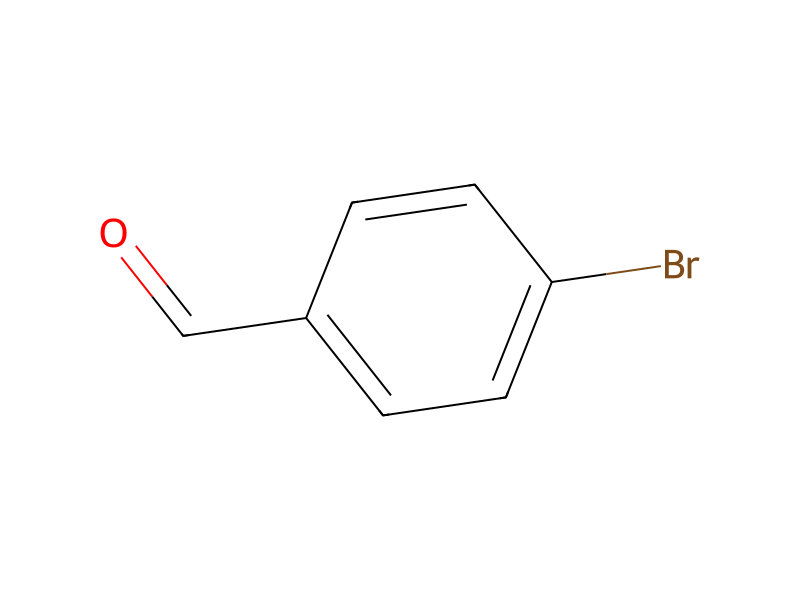
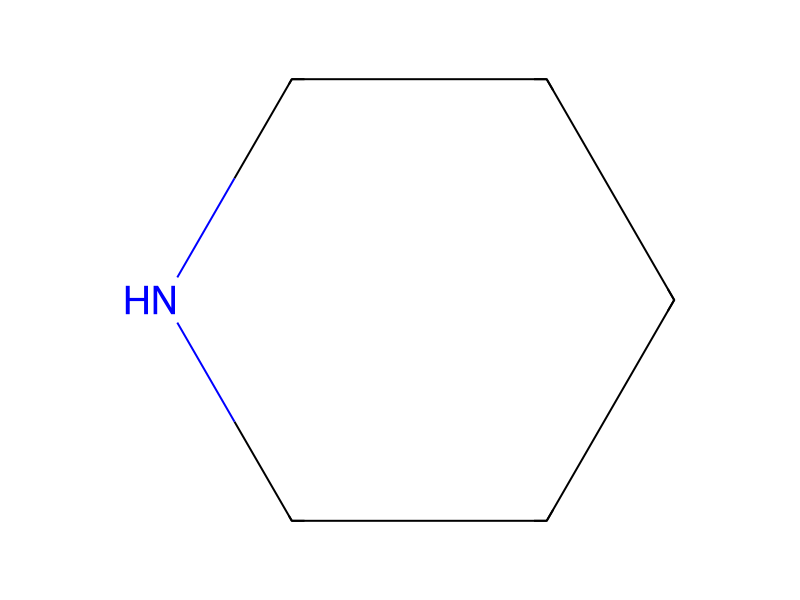
To a solution of 4-bromobenzaldehyde (106 g, 573 mmol) in toluene (1000 mL) were added ethyl 2-cyanoacetate (71.3 g, 630 mmol) and piperidine (976 mg, 11.5 mmol) and the clear, light brown solution was heated at reflux for 5 h in a 4-neck flask equipped with a Dean-Stark trap, then stirred overnight at room temperature. After cooling the reaction mixture was evaporated, the residue suspended in heptane (500 mL), homogenized in an ultrasound bath for min, stirred for 20 min at 50° C., then the precipitate was collected by filtration. This was dissolved in ethyl acetate (1000 mL) and heptane (500 mL), then slowly concentrated at 50° C. to a volume of approximately 300 mL of solvent. This solution started to crystallize upon standing. The precipitate (96 g) was collected by filtration and washed with heptane/ethyl acetate 9:1 (300 mL). The mother liquor was concentrated at 50° C. until crystallization started. The product was allowed to precipitate over 1 h at room temperature, then collected by filtration to produce a second crop of product (44 g). Total yield: 140 g (87%). Light yellow solid, MS: 299.1 [M+H]+.