反応式

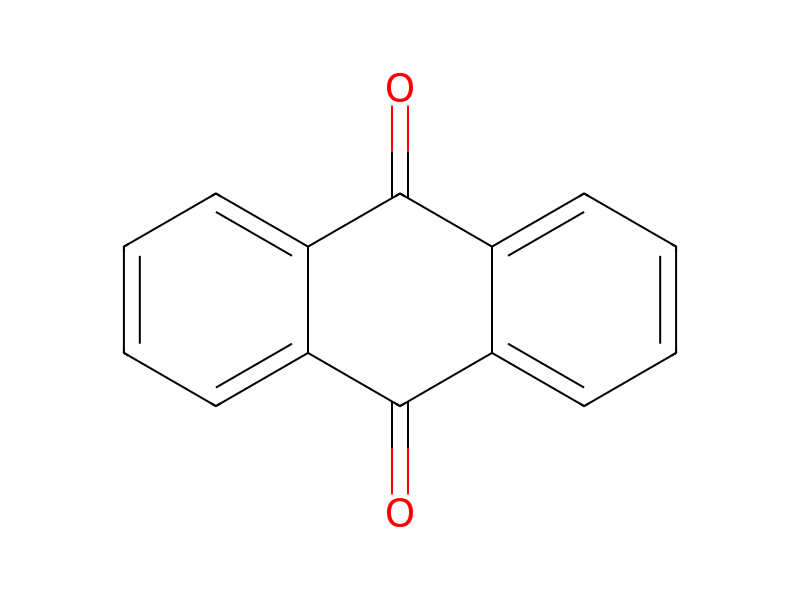
[N+]([C:4]1[C:17]2[C:16](=[O:18])[C:15]3[C:10](=[CH:11][CH:12]=[CH:13][CH:14]=3)[C:9](=[O:19])[C:8]=2[CH:7]=[CH:6][CH:5]=1)([O-])=O.[N+](C1C=CC2C(=O)C3C(=CC=CC=3)C(=O)C=2C=1[N+]([O-])=O)([O-])=O.[N+](C1C=CC2C(=O)C3C(=CC=CC=3)C(=O)C=2C=1)([O-])=O>>[CH:11]1[C:10]2[C:9](=[O:19])[C:8]3[C:17](=[CH:4][CH:5]=[CH:6][CH:7]=3)[C:16](=[O:18])[C:15]=2[CH:14]=[CH:13][CH:12]=1参加物
4


実験手順
By 1-nitroanthraquinone containing dinitroanthraquinone there is here understood a 1-nitroanthraquinone essentially contaminated with 2-nitroanthraquinone and 1,5-, 1,6-, 1,7- and 1,8-dinitroanthraquinone, such as is obtained on nitration of anthraquinone.
出典と根拠
- ORDレコード
- ord-e4a280db68eb48fdbd3dfdc42ebb6580
- 出典データセット
- uspto-grants-1976_01
- 特許番号
- US03931251
関連ノート
読み込み中…