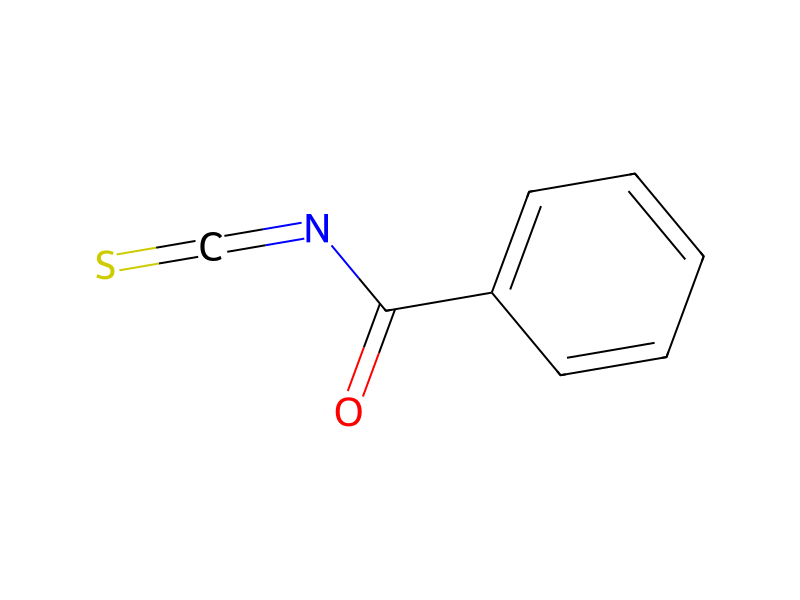
5-Amino-1-(β-D-ribofuranosyl)-1H-imidazole-4-carboxamide (5.0 g, 19.4 mM) and benzoylisothiocyanate (3.3 g, 20 mM) was stirred at room temperature in DMF (40 ml) for 1 hour. The solvent was stripped off in water-jet vacuo. The residue was dissolved in methanol (160 ml) and potassium carbonate (1.6 g, 11.6 mM) in water (8 ml) was added whereafter the mixture was refluxed at 2 hours. After cooling to room temperature acetic acid was added to pH 6. The reaction mixture was evaporated in water-jet vacuo, and the residue was crystallized from ethanol. Hereby was isolated 5.0 g of crude 1-(β-D-ribofuranosyl)-5-(thiocarbamoyl)amino-1H-imidazole-4-carboxamide. HPLC indicated a purity of about 65% (the remaining 35% was essentially potassium acetate).