2-Methylcyclopentanone → 2-Methyl-5-(4-methoxybenzylidene)-cyclopentanone
HRID 1599793
反応式

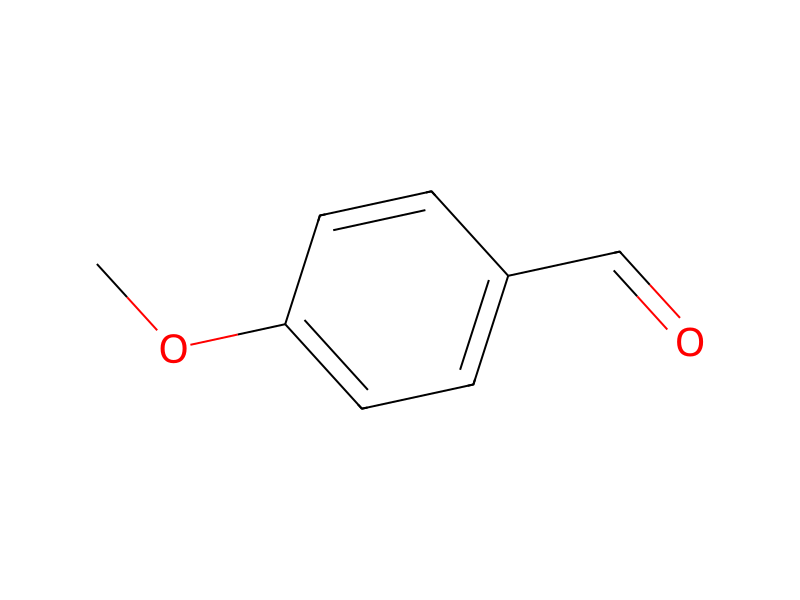
[OH-].[K+].[CH:3](=O)[C:4]1[CH:9]=[CH:8][C:7]([O:10][CH3:11])=[CH:6][CH:5]=1.[CH3:13][CH:14]1[CH2:18][CH2:17][CH2:16][C:15]1=[O:19]>O>[CH3:13][CH:14]1[CH2:18][CH2:17][C:16](=[CH:3][C:4]2[CH:9]=[CH:8][C:7]([O:10][CH3:11])=[CH:6][CH:5]=2)[C:15]1=[O:19]参加物
5




実験手順
A solution of 2.8 g of 85% strength potassium hydroxide and 250 ml of water was charged to a stirred 3-necked flask apparatus with reflux condenser, 68 g of p-anisaldehyde and 49 g of 2-methylcyclopentanone were added, and the mixture was boiled under reflux for 3 hours. It was subsequently cooled to room temperature and the yellow solid which had crystallized out was filtered off with suction, washed to neutrality with water and dried in a vacuum oven at 60° C. In this way 98.3 g of 2-methyl-5-(4-methoxybenzylidene)-cyclopentanone (93.2% pure) were obtained. This corresponds to a yield of 85% of theory.