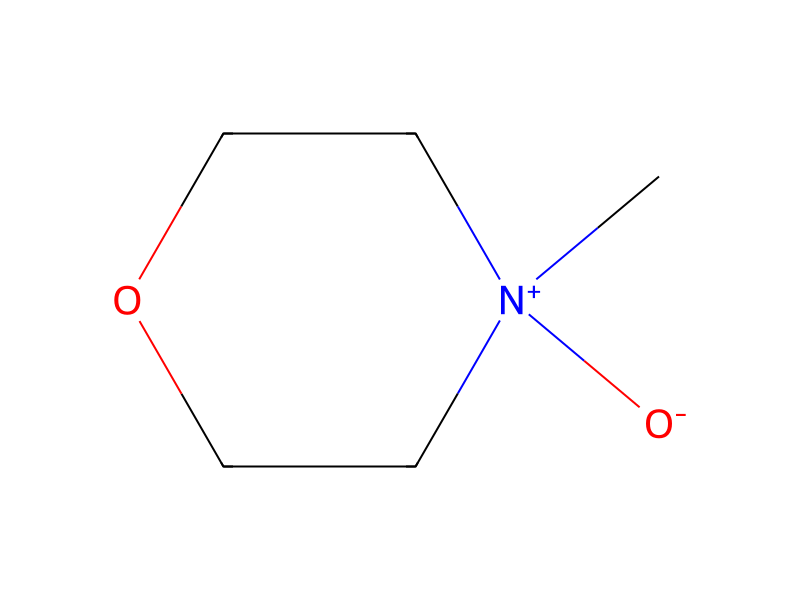
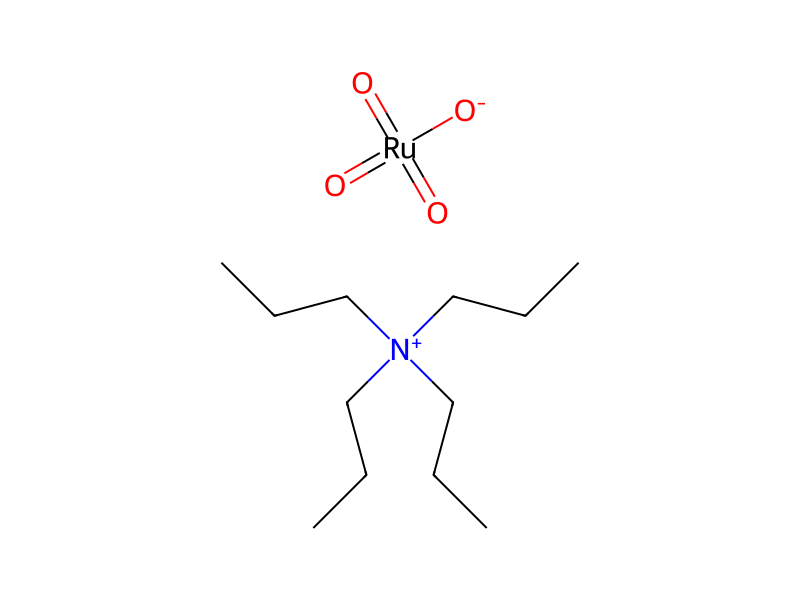
To a cooled (0° C.), stirred solution of 1-{2-[(4-methoxybenzyl)oxy]-6-nitrophenyl}ethanol (0.20 g, 0.659 mmol) in dichloromethane (20 mL) were added molecular sieves 4A (1 g), N-methylmorpholine N-oxide (0.15 g, 1.319 mmol) and tetra-n-propylammonium perruthenate (0.01 g). The mixture was stirred at room temperature for 12 hrs. The reaction mixture was filtered on Celite®, and the filtrate was diluted with ethyl acetate. The organic phase was washed with saturated aqueous ammonium chloride solution and dried over Na2SO4, filtered and concentrated under reduced pressure to give 1-{2-[(4-methoxybenzyl)oxy]-6-nitrophenyl}ethanone as a white solid (0.159 g, yield; 80%). The residue was used for the next step without further purification.