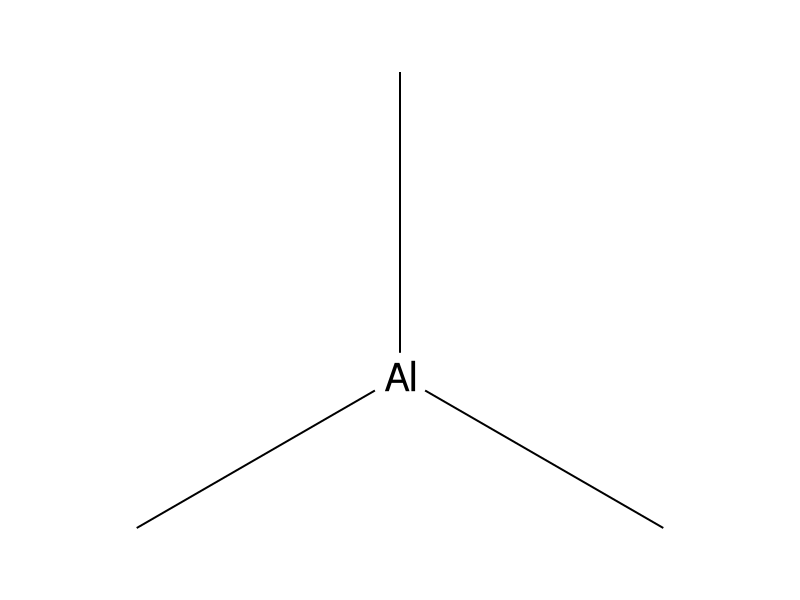
Cl.[CH2:2]([NH2:4])[CH3:3].C[Al](C)C.[CH3:9][N:10]1[C:14]([NH:15][C:16](=[O:32])[C@@H:17]([NH:25][CH2:26][C:27](OCC)=[O:28])[CH2:18][C:19]2[CH:24]=[CH:23][CH:22]=[CH:21][CH:20]=2)=[CH:13][C:12]([C:33]2[CH:38]=[CH:37][N:36]=[CH:35][CH:34]=2)=[N:11]1.[Cl-].[NH4+]>ClCCl>[CH2:2]([NH:4][C:27]([CH2:26][NH:25][C@@H:17]([CH2:18][C:19]1[CH:24]=[CH:23][CH:22]=[CH:21][CH:20]=1)[C:16]([NH:15][C:14]1[N:10]([CH3:9])[N:11]=[C:12]([C:33]2[CH:38]=[CH:37][N:36]=[CH:35][CH:34]=2)[CH:13]=1)=[O:32])=[O:28])[CH3:3]To a 25 ml flask was added ethylamine hydrochloride (245 mg, 3.00 mmole) and 7 ml of dichloromethane. Trimethylaluminum (1.0M in hexane, 6.0 ml, 6.0 mmole) was added to the solution at room temperature. After 10 min, a solution of ethyl 2-((S)-1-(1-methyl-3-(pyridin-4-yl)-1H-pyrazol-5-ylamino)-1-oxo-3-phenylpropan-2-ylamino)acetate 17.7 (408 mg, 1.00 mmole) in 3 ml of dichloromethane was added to the reaction mixture. The reaction was stirred at room temperature overnight. After then, the solution was poured into saturated ammonium chloride, and extracted with ethyl acetate. The organic layer was washed with water and brine, and dried over anhydrous sodium sulfate. After concentration in vacuo, the residue was chromatographed on silica gel to give 104.2 (283 mg, 70% yield) as colorless amorphous. LCMS ESI (pos.) m/e: 407 (M+H); 1H NMR (400 MHz, CDCl3) δ ppm 9.76 (s, 1H), 8.61 (d, J=6.3 Hz, 2H), 7.66 (d, J=6.2 Hz, 2H), 7.38-7.29 (m, 5H), 6.82 (s, 1H), 5.80 (brs, 1H), 3.79 (s, 3H), 3.49 (brs, 1H), 3.29-3.20 (m, 5H), 2.93 (dd, J=13.6, 8.9 Hz, 1H), 2.14 (brs, 1H), 1.07 (t, J=7.2 Hz, 3H).