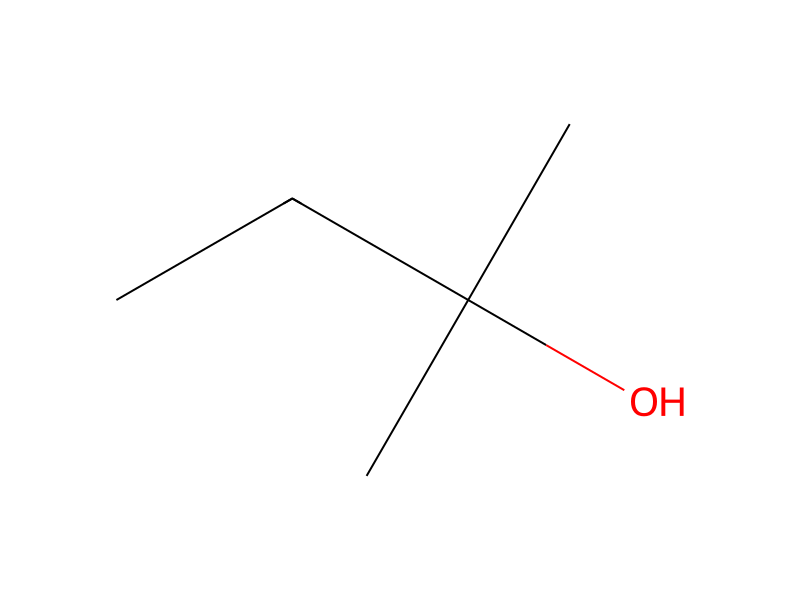
A 50-ml four-necked flask was equipped with a stirrer, a thermometer and a reflux condenser. 0.896 g (5 mmol) of n-heptyl bromide, 0.914 g (7.5 mmol) of phenylboronic acid, 0.056 g (0.25 mmol) of palladium (II) acetate, 1.683 g (15 mmol) of potassium tert-butoxide and 25 ml of tert-amyl alcohol were weighed in the flask, followed by stirring. Further, 0.240 g (0.5 mmol) of di-tert-butylmethylphosphonium tetraphenylborate obtained in Example B-1 was weighed in air and added into the flask. The flask was purged with argon, followed by stirring at 25° C. for 24 hours. After the completion of the reaction, 20 ml of saturated sodium chloride solution was added, followed by separation. The organic phase was purified by column chromatography to afford 0.785 g of 1-phenylheptane (yield: 89 mol % based on n-heptyl bromide). The identification of the product was made by mass spectroscopy.