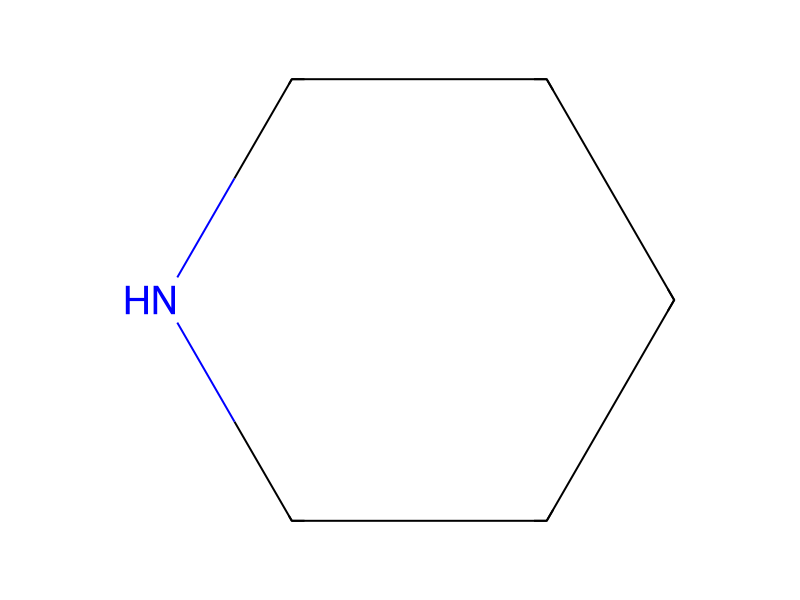
[CH2:1]([CH:3]1O[CH2:4]1)Cl.O[C:7]1[C:12]2[CH:13]=C(C)O[C:11]=2[CH:10]=[CH:9][CH:8]=1.OC1C2C=COC=2C=CC=1.OC1C=CC2OC=CC=2C=1.OC1C=CC2OC(C)=CC=2C=1.OC1C=CC2C(C)=COC=2C=1.OC1C2OC=CC=2C=CC=1.[NH:69]1CCCCC1>C(O)C>[NH2:69][CH:3]1[CH2:4][CH2:13][C:12]2[C:7](=[CH:8][CH:9]=[CH:10][CH:11]=2)[CH2:1]1Following the procedure of Example 32, and reacting epichlorohydrin with 4-hydroxy-2-methylbenzofuran, 4-hydroxybenzofuran, 5-hydroxybenzofuran, 5-hydroxy-2-methylbenzofuran, 6-hydroxy-3-methylbenzofuran or 7-hydroxybenzofuran, in the presence of piperidine, dissolving the thus obtained raw epoxide in absolute ethanol and adding thereto an ethanol solution of 2-aminotetralin, the following compounds are obtained respectively