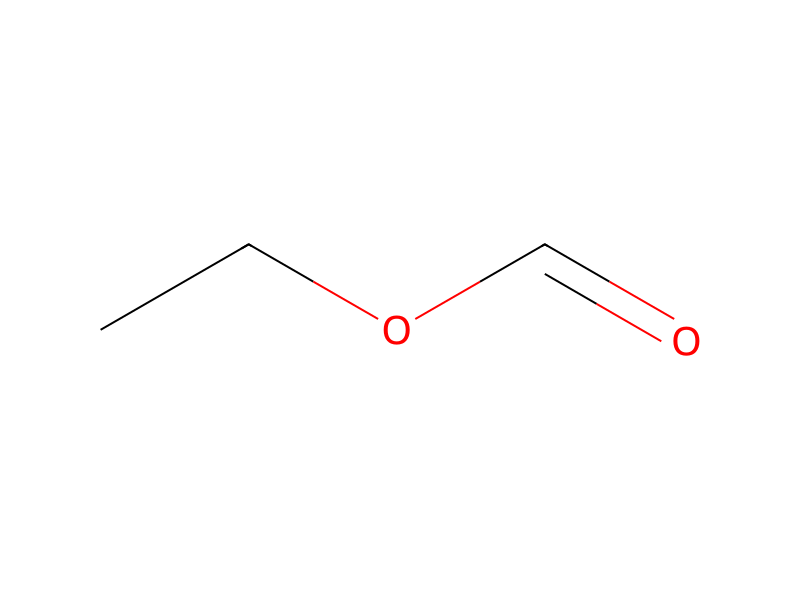
Ethyl formate → HCID 67429721、化合物
HRID 1661087
反応式

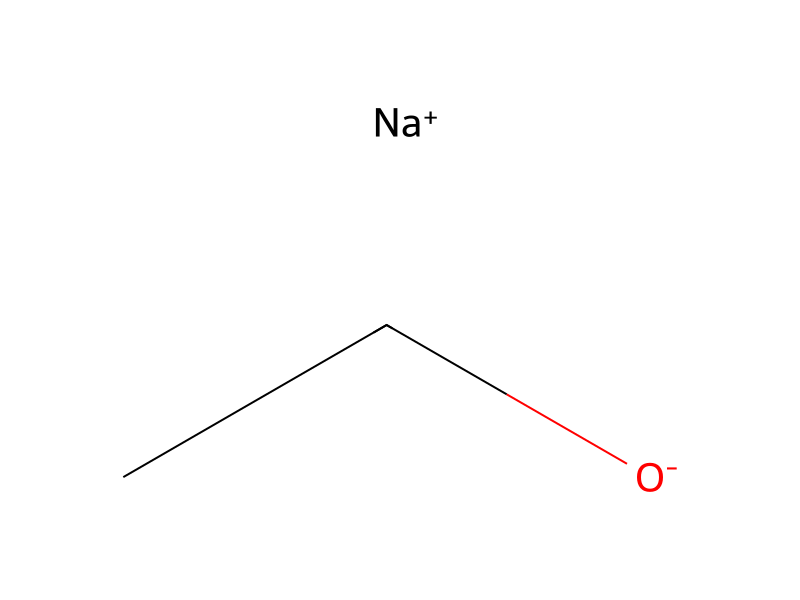
[CH3:1]C[O-].[Na+].[NH2:5][C:6]1[C:21]([I:22])=[CH:20][C:19]([Cl:23])=[CH:18][C:7]=1[C:8]([NH:10][CH:11]([CH2:15][CH2:16][CH3:17])[CH2:12][CH2:13][CH3:14])=[O:9].C(OCC)=O>C(O)C>[Cl:23][C:19]1[CH:18]=[C:7]2[C:6](=[C:21]([I:22])[CH:20]=1)[N:5]=[CH:1][N:10]([CH:11]([CH2:12][CH2:13][CH3:14])[CH2:15][CH2:16][CH3:17])[C:8]2=[O:9]参加物
5



実験手順
Poured into a solution of 4.43 g of sodium ethylate in 250 cm3 of ethanol is a solution of 3.21 g of 2-amino-5-chloro-3-iodo-N-(1-propylbutyl)benzamide in 120 cm3 of ethanol then 3.3 cm3 of ethyl formate. The reaction mixture is heated under argon at reflux for 16 h. It is then cooled in order to be evaporated using a rotary evaporator under reduced pressure (5 kPa). 200 cm3 of dichloromethane and 150 cm3 of water are added, while stirring, to the concentration residue. The aqueous phase is extracted with 50 cm3 of dichloromethane. The organic phases are combined, washed with 50 cm3 of a saturated aqueous solution of sodium chloride, dried over sodium sulfate and concentrated using a rotary evaporator under reduced pressure (5 kPa). The ochre product obtained is purified by flash chromatography over silica (column: 200 g; particle size: 15-40 μm; eluent: 100% dichloromethane). After concentrating the fractions under reduced pressure, 2.09 g of 6-chloro-8-iodo-3-(1-propylbutyl)quinazolin-4(3H)-one are obtained.