反応式

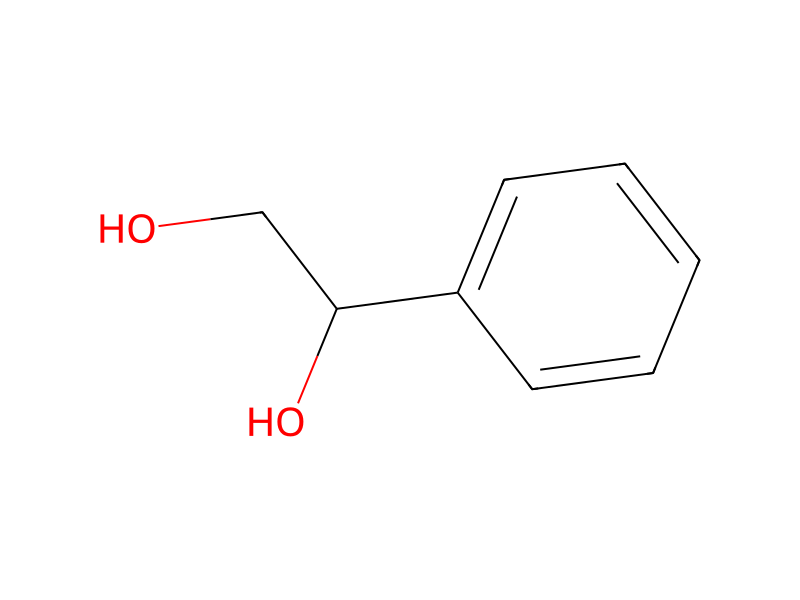
C1[O:9]C1C1C=CC=CC=1.C1(C(O)CO)C=CC=CC=1.C1C2=C3C4C(C=C2)=C2C=CC=CC2=CC=4C=CC3=CC=1.[CH:40]1[CH:45]=[C:44]2[CH:46]=[CH:47][C:48]3[C:53]4[CH:54]=[CH:55][CH:56]5[O:58][CH:57]5[C:52]=4[CH:51]=[C:50]4[CH:59]=[CH:60][C:42](=[C:43]2[C:49]=34)[CH:41]=1>>[CH:41]1[C:42]2=[C:43]3[C:49]4[C:50]([CH:59]=[CH:60]2)=[C:51]2[CH:52]=[CH:57][C:56]([OH:58])=[C:55]([OH:9])[C:54]2=[CH:53][C:48]=4[CH:47]=[CH:46][C:44]3=[CH:45][CH:40]=1参加物



実験手順
The assay of styrene oxide hydrolase activity in the strains PES1-5 and PES1-53 demonstrates the formation from styrene oxide of approximately 1 to 2 nmol of 2-phenyl-2-hydroxyethanol per min and per mg of microsomal proteins. This activity is undetectable in the other strains of the PES1 series. The reductase activity of the strain PES1-53 is comparable to that of the strain PES1-34. The strain PES1-53 transformed with an expression plasmid which codes for cytochrome P450 1A1 is capable, on incubation with benzo(a)pyrene, of hydrolysing the benzo(a)pyrene 7,8-oxide formed in situ to benzo(a)pyrene-7,8-diol. These activities are demonstrated in FIG. 13, which shows an HPLC separation of the metabolites of benzo(a)pyrene formed on incubation of this pollutant with strains PES1-2, PES1-3 and PES1-53 transformed to express murine cytochrome P450 1A1. Clearly, only the strain PES1-53 permits the formation of benzo(a)pyrene-7,8-diol in large amounts. This molecule is an important intermediate in the degradation of the carcinogenic industrial pollutant, benzo(a)pyrene.
出典と根拠
- ORDレコード
- ord-8d41d251d988416c887783bb63837ba5
- 出典データセット
- uspto-grants-1997_06
- 特許番号
- US05635369
関連ノート
読み込み中…