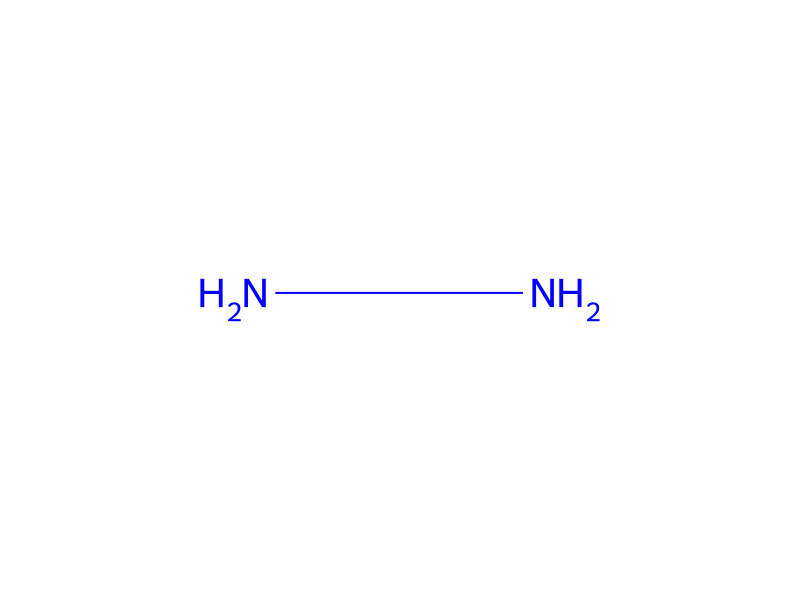
[CH2:1]([O:8][C:9](=[O:36])[NH:10][CH2:11][CH2:12][CH2:13][CH2:14][C:15]1[CH:20]=[CH:19][C:18]([CH2:21][CH2:22][CH2:23][CH2:24][N:25]2C(=O)C3C(=CC=CC=3)C2=O)=[CH:17][CH:16]=1)[C:2]1[CH:7]=[CH:6][CH:5]=[CH:4][CH:3]=1.NN.C(Cl)Cl>C(O)C>[CH2:1]([O:8][C:9](=[O:36])[NH:10][CH2:11][CH2:12][CH2:13][CH2:14][C:15]1[CH:20]=[CH:19][C:18]([CH2:21][CH2:22][CH2:23][CH2:24][NH2:25])=[CH:17][CH:16]=1)[C:2]1[CH:3]=[CH:4][CH:5]=[CH:6][CH:7]=1A solution containing 59 (4.0 g, 8.20 mmol) and hydrazine (2.06 g, 41.20 mmol) dissolved in ethanol (50 mL) and methylene chloride (10 mL) was heated to reflux. The reaction mixture was allowed to stir for 16 h under N2 atmosphere. The solution was filtered and the filtrate was concentrated in vacuo. The resulting residue was purified by column chromatography eluting with a mixture of 0-20% (10% concentrated ammonium hydroxide in methanol) and dichloromethane to afford the desired product 7 (6.00 g, 72%) as an off white solid: 1H NMR (300 MHz, CDCl3) δ 7.34 (s, 4H), 7.07 (s, 4H), 5.08 (s, 2H), 3.18 (t, 2H), 2.94 (s, 2H), 2.70 (t, 2H), 2.59 (t, 4H), 1.65-1.47 (m, 5H); m/z (ESI) 355 [C22H30N2O2+H]+.