反応式

[C:1](OCC=C)(=O)[C:2]1C(=CC=C[CH:13]=1)C(OCC=C)=O.[CH2:19](Cl)[CH:20]=[CH2:21].C(O)(=O)C1C(=CC=CC=1)C(O)=O.[Cl:35][C:36]1[C:37]([Cl:50])=[C:38]([Cl:49])[C:39]([Cl:48])=[C:40]([C:45]([O-:47])=[O:46])[C:41]=1[C:42]([O-:44])=[O:43].[Na+].[Na+]>>[Cl:35][C:36]1[C:37]([Cl:50])=[C:38]([Cl:49])[C:39]([Cl:48])=[C:40]([C:45]([O:47][CH2:21][CH:20]=[CH2:19])=[O:46])[C:41]=1[C:42]([O:44][CH2:13][CH:2]=[CH2:1])=[O:43]参加物

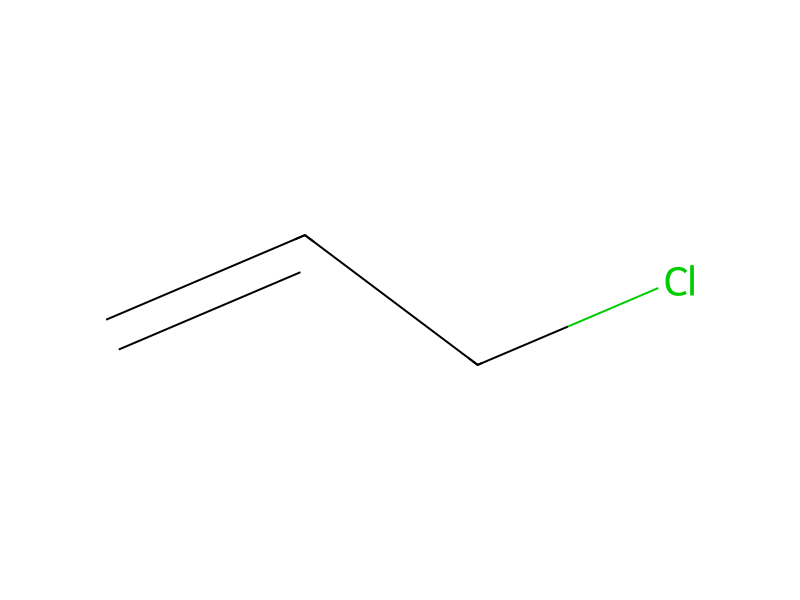


実験手順
Using a method similar to the known preparation of diallyl phthalate by reacting allyl chloride with metal salts of phthalic acid, Matsumoto et al prepared DATCP by reacting disodium tetrachlorophthalate with 2 moles of allyl chloride in an aqueous solution containing cuprous ions. Diallyl tetrachlorophthalate was also produced by Guseinov et al who reacted the anhydride with 3 moles of allyl alcohol plus 1 mole of hydrochloric acid in a benzene solution (Azerbaizhan Chemical Journal, No. 6, (1964), 21-23). Nordlander et al also produced DATCP by reacting the tetrachlorophthalic anhydride with 2 moles of allyl alcohol using sulfuric acid as a catalyst and driving off the water of reaction by distillation as an azeotrope with benzene (Journal of the American Chemical Society, 69, Nov., (1947), 2679-2682). However, only a 10% to 15% yield of the DATCP was obtained because of dehydration and polymerization reactions of the allyl alcohol.
後処理
- customprepared DATCP
出典と根拠
- ORDレコード
- ord-9e0fc8d2fa924861befa2fd30dd70fbd
- 出典データセット
- uspto-grants-1983_04
- 特許番号
- US04381406
関連ノート
読み込み中…