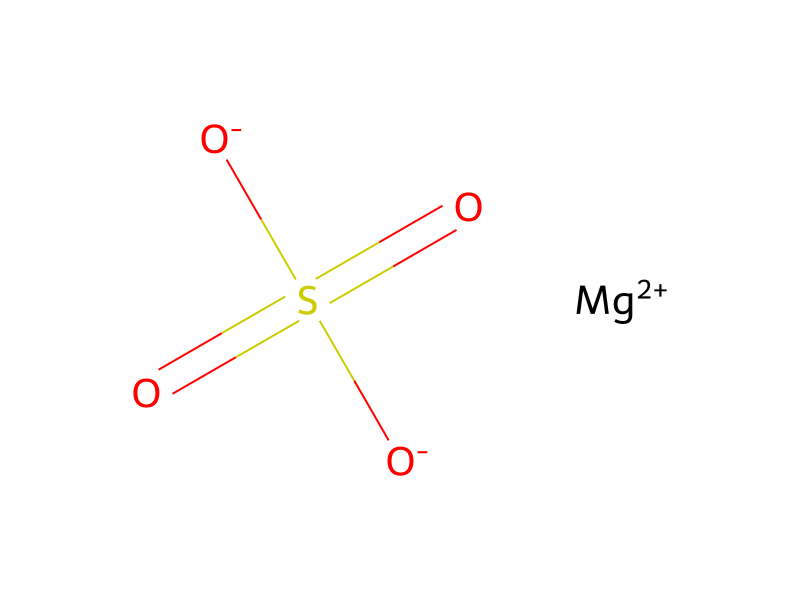
[Cl:1][C:2]1[CH:3]=[C:4]([CH:7]=[C:8]([Cl:11])[C:9]=1[F:10])[C:5]#[N:6].[F:12]C1C([N+]([O-])=O)=CC(C#N)=CC=1[N+]([O-])=O.ClCl.[O-]S([O-])(=O)=O.[Mg+2]>C(Cl)(Cl)(Cl)Cl>[Cl:1][C:2]1[CH:3]=[C:4]([CH:7]=[C:8]([F:12])[C:9]=1[F:10])[C:5]#[N:6].[Cl:1][C:2]1[CH:3]=[C:4]([CH:7]=[C:8]([Cl:11])[C:9]=1[F:10])[C:5]#[N:6]Preparation of 3,5-dichloro-4-fluorobenzonitrile. During a 10-hour period a solution of 216 parts of 4-fluoro-3,5-dinitrobenzonitrile (prepared as in step (a), above) in 1500 parts of carbon tetrachloride, is vaporized by passing through a tubular nickel reactor maintained at about 350° C. and the vapors passed through a second nickel tubular reactor, maintained at about 350° C., and mixed therein with a stream of chlorine at a molar ratio of Cl2 :4-fluoro-3,5-dinitrobenzonitrile of about 6.0. The exiting vapors are collected, condensed and the condensate treated with MgSO4. The desired product, 3,5-dichloro-4-fluorobenzonitrile is isolated by vacuum distillation.